
Opinion
Why thrush is getting harder to treat: the growing threat of antifungal resistance


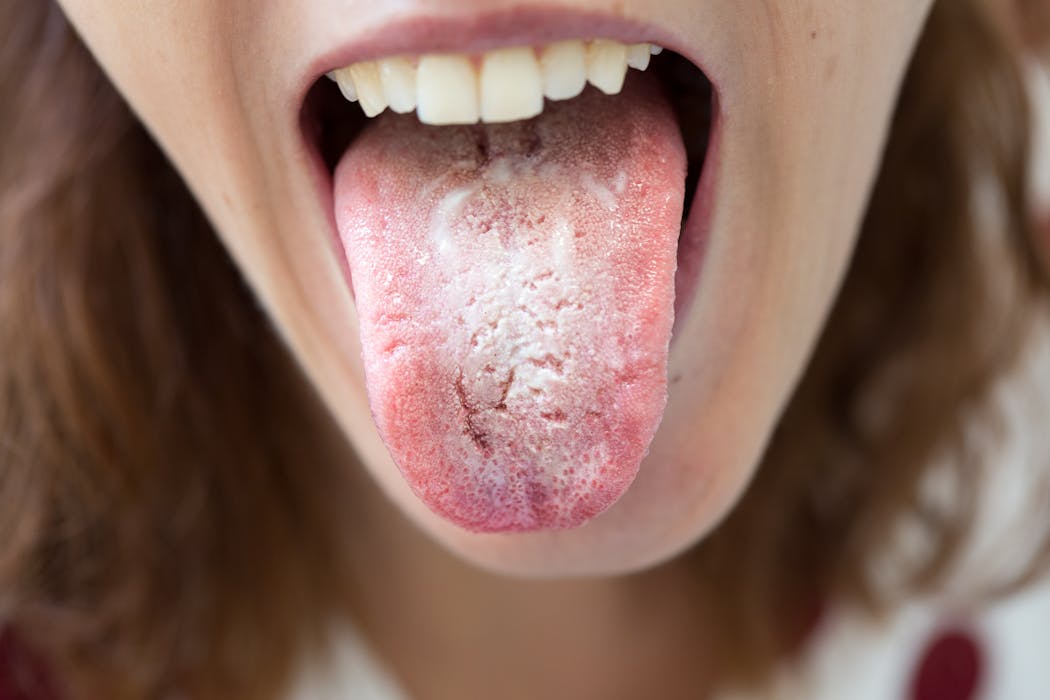

Thrush is one of the most common infections worldwide. It’s caused by a type of yeast called Candida, especially Candida albicans. While antifungal medications usually treat yeast infections easily, more strains of Candida are becoming resistant to these drugs — including the ones that cause thrush.
According to the US Centers for Disease Control and Prevention, about 7% of Candida samples from blood are now resistant to fluconazole, which is often the first drug used to treat these infections. This means there are fewer treatment options, even for simple thrush cases. In people with weakened immune systems or those taking long-term antibiotics, serious Candida infections are becoming even harder to manage.
Antifungal resistance is also linked to the rise in recurrent thrush — where the infection keeps coming back. This condition already affects around 138 million women globally and could rise to 158 million by the year 2030.
So, why is resistance increasing? In the early 2000s, resistance to antifungals like fluconazole was rare. But over time, Candida albicans has adapted. A 2024 study in Egypt even found that nearly 26% of Candida albicans blood samples were resistant to fluconazole. While more research is needed globally, this trend is alarming.
Candida develops resistance in various ways — through genetic changes that help it survive drugs, forming protective layers called biofilms that block medications, or altering the structure of molecules that antifungal drugs target. These strategies make treatment less effective.
The main reason Candida infections are getting harder to treat is because the fungus is evolving to survive. This isn’t random — it’s being driven by several factors. These include overuse and misuse of antifungal drugs in both people and agriculture, the limited availability of effective antifungal treatments, and environmental changes. Warmer temperatures and high use of fungicides create a perfect environment for heat-tolerant, drug-resistant strains like Candida auris, which can cause severe illness in those with compromised immunity.
Candida usually spreads through direct physical or sexual contact, or by touching contaminated surfaces. In healthcare settings, it can also spread through medical equipment. It’s rarely airborne, but a study in Hong Kong recently found drug-resistant Candida in urban air samples, including Candida albicans. This raises concerns about possible airborne exposure, especially in hospitals or crowded places.
If your immune system is healthy, Candida usually isn’t a threat. But when the balance of good bacteria in your body is disrupted — by antibiotics, stress, poor diet, or illness — Candida can grow out of control. It can then lead to infections that are harder to treat if the strain is drug-resistant and forms biofilms.
To protect yourself, focus on maintaining a healthy gut microbiome. Eat a diverse, fiber-rich diet, including fermented foods, and avoid overly processed food. Only take antibiotics when prescribed and use them properly. Probiotics and prebiotics may help restore balance, especially after antibiotic use or recurring infections.
While most Candida infections can still be treated, drug-resistant strains are a growing concern, especially for people with weakened immune systems. You can help prevent resistance by using antifungal medications only as prescribed, completing the full course, and practicing good hygiene.