
Environment
Why the alarming rate of nature loss could pose a growing threat to national security, warns leading intelligence group


Mark PoyntingClimate researcher

 Reuters
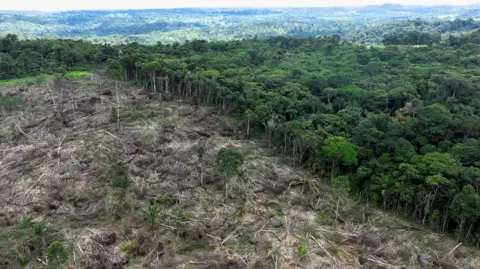
A recent intelligence report has warned that the rapid decline of global ecosystems poses serious threats to the UK’s security and prosperity. As you rely on nature for essential resources like food and clean air, the degradation of critical ecosystems—such as the Amazon rainforest and coral reefs—is creating “cascading risks” that could trigger geopolitical conflicts, force migration, and increase global competition for resources. These vulnerable ecosystems are on the brink of collapse, and their deterioration could destabilize global supply chains that affect your daily life, including the availability and cost of food.
The report, drawn up by the Joint Intelligence Committee with government input and officially released by the Department for Environment, Food and Rural Affairs, outlines six ecosystems seen as vital to the UK’s national security. These include forests in the Amazon, Congo, Russia, and Canada, as well as marine ecosystems in Southeast Asia and mountainous regions like the Himalayas. If these areas continue degrading, you could face rising food prices due to shortages, higher risk of pandemics, and economic instability. Your food choices might shrink, and costs could rise if production in key global regions falters.
It’s especially concerning that the UK currently can’t produce enough food to meet demand, making you dependent on international trade. While the government insists the food system is resilient and points to international trade as a backup, the report explains that environmental shocks in supplier countries could still cause major disruptions. It also highlights potential solutions, such as investing in lab-grown proteins and regenerative agriculture, to build long-term food security.
Government responses have faced criticism, particularly due to delayed publication of the report and a perceived retreat from nature protection commitments. For example, the UK didn’t provide direct funding to Brazil’s efforts to save tropical forests during the COP30 climate summit and has been accused of loosening environmental regulations domestically. Still, officials say they are investing in flood defences and sustainable agriculture as part of their strategy to protect you and the environment.