
Opinion
Why tackling economic insecurity could be the key to Labour’s electoral comeback over immigration debates


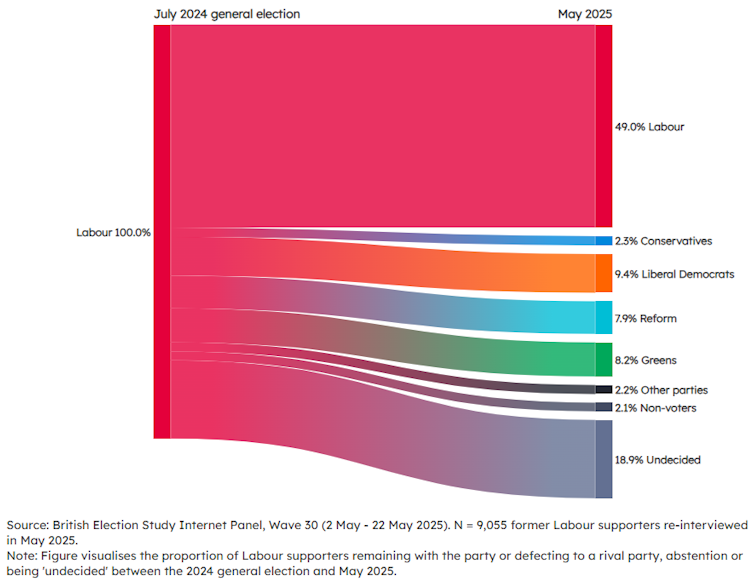
The autumn 2025 budget landed at a critical time for the Labour government, which has seen a sharp drop in popularity since the last general election. As a voter, you’re likely paying close attention to how Labour handles the economy, especially with rising concerns about the cost of living. The budget was framed by Chancellor Rachel Reeves as a response to these pressures. Research from the University of Oxford and the Joseph Rowntree Foundation shows that over a third of people in the UK feel economically insecure—a term that captures the anxiety around meeting financial demands like housing, childcare, and debt.
If you’re part of this economically insecure group, you’re not alone, and your experience could be shaping broader political trends. The study found that Labour’s support has fallen significantly, with almost half of its 2024 voters moving to other parties or becoming undecided. This drop in support strongly correlates with increased economic insecurity, which influences both how you might vote and how you view Labour’s performance on economic issues. Those experiencing financial pressure are far more likely to judge Labour’s handling of the economy as poor.
You might have welcomed measures in the budget like the end of the two-child benefit cap, help with energy bills, and a higher minimum wage, all designed to ease financial strain. These could help reduce poverty and support low-income families. However, if you’re a middle-income earner, you may feel overlooked. The budget’s freeze on tax and student loan thresholds could mean higher costs for you, and overall growth in disposable income is predicted to remain sluggish for the next several years.
If you’re wondering whether Labour should focus more on economic policy or immigration, the research gives a clear answer: prioritizing economic security is the smarter path. Economic insecurity pushes voters away from Labour across the political spectrum, while concern over immigration mainly fuels support for Reform UK. So, by tackling the root causes of financial anxiety, Labour could regain support from a wider base—including voters like you.
The steps taken in the budget are a start, but if you’re still feeling the pinch, you may be questioning whether they go far enough. Labour’s ability to restore your sense of financial confidence could directly impact your vote in the next general election. Strengthening economic security won’t just help the party—it could also improve your everyday life.