
Opinion
Why saving Britain’s vanishing ponds could be the key to protecting wildlife and fighting climate change


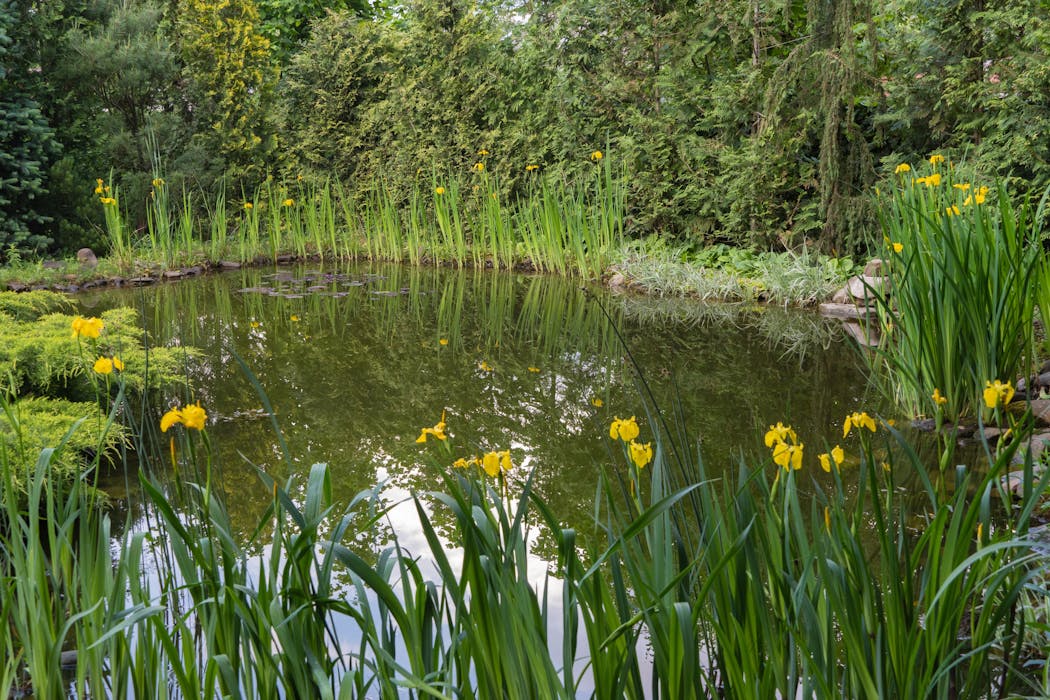
Across the UK, ponds are quietly disappearing, with over half lost since the 1900s. Once scattered across the landscape, these small waterbodies have been steadily removed due to agricultural intensification and urban expansion. Historically, ponds were considered obstacles to modern farming and development, leading to widespread filling and drainage. However, their disappearance poses significant problems for biodiversity and climate resilience, as they serve as essential habitats for many species and help manage water in extreme weather conditions.
Despite their modest size, ponds play a vital ecological role. They support a wide range of wildlife, including amphibians like frogs and newts, pollinating insects, birds, and even mammals. The interconnected network of ponds, or “pondscapes,” helps these species move and thrive. When ponds are removed, this network becomes fragmented, leading to population decline and loss of biodiversity. Ponds also function as natural buffers by holding water during heavy rainfall—reducing flood risk—and sustaining ecosystems during droughts.
Ponds offer additional climate benefits, such as filtering pollutants, storing carbon, and providing local cooling during heatwaves, especially in urban areas. When incorporated into parks, school grounds, and gardens, they serve as biodiversity hotspots and valuable green infrastructure. By improving water quality and helping manage stormwater, they relieve pressure on drainage systems and enhance the livability of cities.
Restoring and creating ponds is a simple yet powerful action. Identifying the locations of current and former ponds helps plan an effective restoration strategy. Some ponds survive as “ghosts,” visible on historic maps but dried up in the landscape. When restored, even after decades, these areas can quickly return to life, with seeds germinating and wildlife returning. Success stories from Norfolk demonstrate how quickly revived ponds can teem with life.
Everyone can contribute to reversing pond loss. Whether it’s reviving a historical pond, collaborating on community projects, or simply adding a water feature in a back garden, every effort helps rebuild the pond network. Resources from gardening organizations offer practical guidance, making it accessible for individuals to get involved. Together, these actions make a significant impact on biodiversity and climate resilience across Britain.