Health
WHO Global Summit unveils groundbreaking roadmap to elevate traditional medicine on the world stage


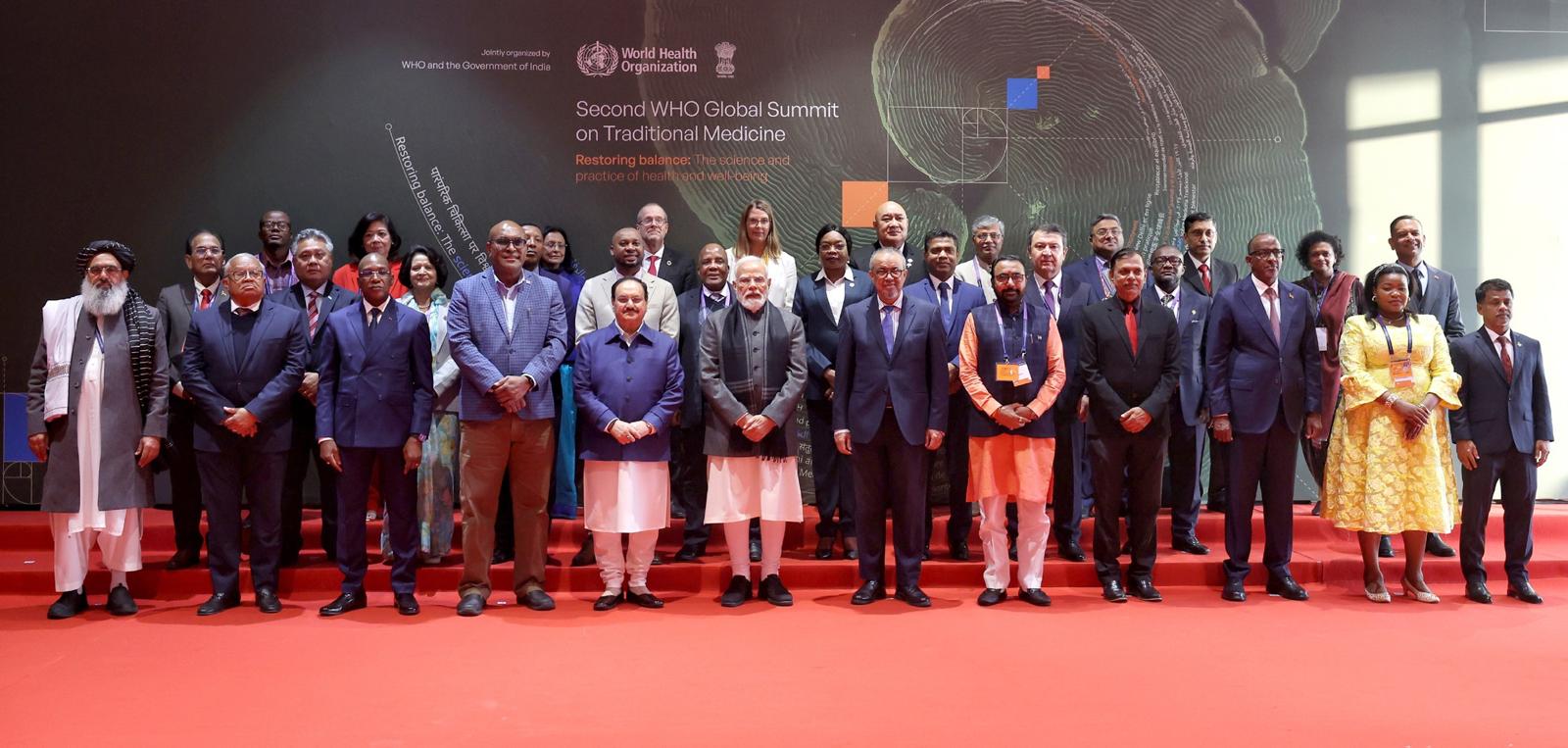
The second WHO Global Summit on Traditional Medicine wrapped up in New Delhi, drawing over 800 in-person delegates from more than 100 countries and 16,000 online participants. As a reflection of growing global momentum, ministers from over 20 countries joined scientists, Indigenous leaders, and practitioners to discuss how traditional medicine can contribute to health systems by offering safe, evidence-based, and affordable care. The summit centered on the WHO’s Global Traditional Medicine Strategy 2025–2034, aiming to strengthen health systems through a more integrated and culturally inclusive approach.
One of the key achievements was the launch of the Traditional Medicine Global Library, the first digital platform of its kind. This new tool gives you access to 1.6 million resources, integrating scientific studies and Indigenous knowledge. Enhanced by features like Evidence Gap Maps and TMGL GPT, an AI-powered tool, the library is designed to accelerate global research and improve access to reliable information on traditional medicine.
Innovation was also at the forefront with the introduction of the Health & Heritage Innovations (H2I) initiative. Out of over 1,000 global submissions, 21 projects were chosen to participate in a year-long acceleration program. If you’re an innovator or entrepreneur, this program opens the door to scientific feedback, regulatory advice, and engagement with investors and policy-makers.
At the summit, 26 countries endorsed the Delhi Declaration, marking a unified commitment to integrate traditional medicine into national health systems. This means stronger regulation, safety standards, research investments, and interoperable data systems going forward. As someone interested in healthcare, this move positions traditional medicine not as an alternative but as a key contributor to universal health coverage.
Looking ahead, WHO aims to work with countries to bring these commitments to life. You’ll see greater focus on reliable knowledge sharing, broader adoption of innovation, and integration of traditional medicine into everyday healthcare. With the Global Traditional Medicine Strategy guiding the way until 2034, the goal is to build a health system that’s not only more inclusive but also culturally relevant and resilient to modern health challenges.