
Environment
UK homes set to receive £15bn boost in solar and green tech to slash soaring energy bills


Esme Stallard,Climate and science reporterand
Justin Rowlatt,Climate Editor

 Andrew Aitchison/Getty Images
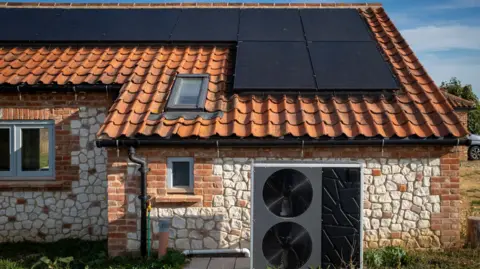
If you’re a UK household, the government has unveiled the £15 billion Warm Homes Plan to help you cut energy bills through green technologies like solar panels, heat pumps, and home batteries. Over the next five years, you’ll have access to low or zero-interest loans, and in some cases, full grants—particularly if you’re on a lower income. The plan includes extending the Boiler Upgrade Scheme, issuing £7,500 grants for heat pumps, and providing an additional £600 million to fully fund solar panels and batteries for low-income homes.
You could save up to £500 annually on your energy bills—or even more than £1,000, according to some estimates—by installing these technologies. The government aims to triple the number of homes using solar energy and lift one million people out of fuel poverty. Prime Minister Sir Keir Starmer emphasized that every family deserves a warm home, and industry leaders see the investment as a strong signal for growth in the green sector. However, critics warn that high ongoing costs and a reliance on imports, particularly from China, could undercut British industries.
The plan also brings new rights for renters: by 2030, all rental properties must meet a higher minimum Energy Performance Certificate (EPC) rating of C. Changes to how EPC scores are assessed are expected later this year to ensure heat pump installations don’t unfairly lower ratings. The plan confirms that new builds will require low-carbon heating and rooftop solar panels by default under upcoming Future Homes Standards.
While the focus of the plan has shifted from insulation to green tech, some experts argue this is a better use of funds. Although insulation programs faced issues in the past, newer technologies like heat pumps need government support to scale. Still, others in the energy industry see solar panels as offering more immediate cost benefits and question the large subsidies for heat pumps.
You should be aware that while the government is making moves toward greener and more energy-efficient homes, there are still delays in delivering some parts of the plan. Industry voices agree that turning promises into reality quickly will be crucial if the UK is to meaningfully reduce household energy costs and slash emissions long-term.