
Opinion
The dark side of pet cloning: why celebrities are risking animal welfare for genetic copies


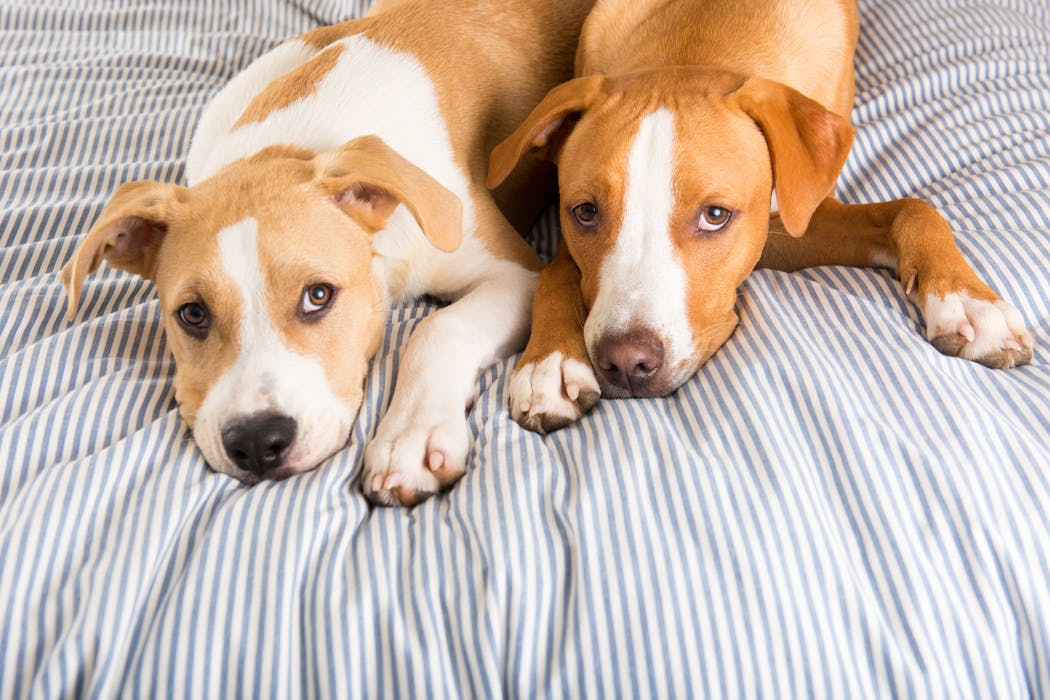
You might love your pet so much that the idea of extending their presence in your life is tempting, especially now that cloning is technically possible. Since Dolly the sheep’s birth in 1997, the cloning of animals has advanced significantly, and even celebrities have jumped on the bandwagon to replicate their cherished companions. The process promises a genetic duplicate, and the emotional appeal of preserving a loyal relationship can be powerful. But while the science may sound promising, cloning a pet involves more complications than just duplicating DNA.
Cloning uses a technique called somatic cell nuclear transfer, where genetic material from your pet is inserted into a donor egg and then carried by a surrogate animal. While this might suggest an identical version of your pet, DNA is only part of the story. A pet’s personality and behavior are shaped by life experiences, environment, and upbringing. So even if a clone carries your pet’s genes, it may not behave the same, look the same, or connect with you the same way. In fact, even coat colors can turn out different due to how genes are expressed.
There are also ethical and welfare considerations to keep in mind. Your pet can’t consent to their DNA being used, and tissue collection may involve discomfort. The cloning process itself affects multiple animals—including egg donors and surrogates—who undergo hormone treatments and surgery, with a real risk of pregnancy complications and birth defects. The clones, too, may face health issues, such as early death or musculoskeletal problems. And if your original pet carried any genetic diseases, the clone would inherit the same issues.
Another major barrier is the cost. Pet cloning typically runs over $50,000, a price that could otherwise help numerous animals in shelters find loving homes. And in countries like the UK, cloning isn’t even permitted commercially, meaning you’d have to involve overseas labs and take on the challenges that entails. While cloning might seem like a way to hold on to your beloved companion, it often raises more questions than answers. Instead, investing your love and care into your pet while they’re with you might be the most meaningful way to honor them.