
Opinion
Sri Lanka’s climate crisis deepens: why the latest floods reveal urgent flaws in disaster preparedness and what must change now


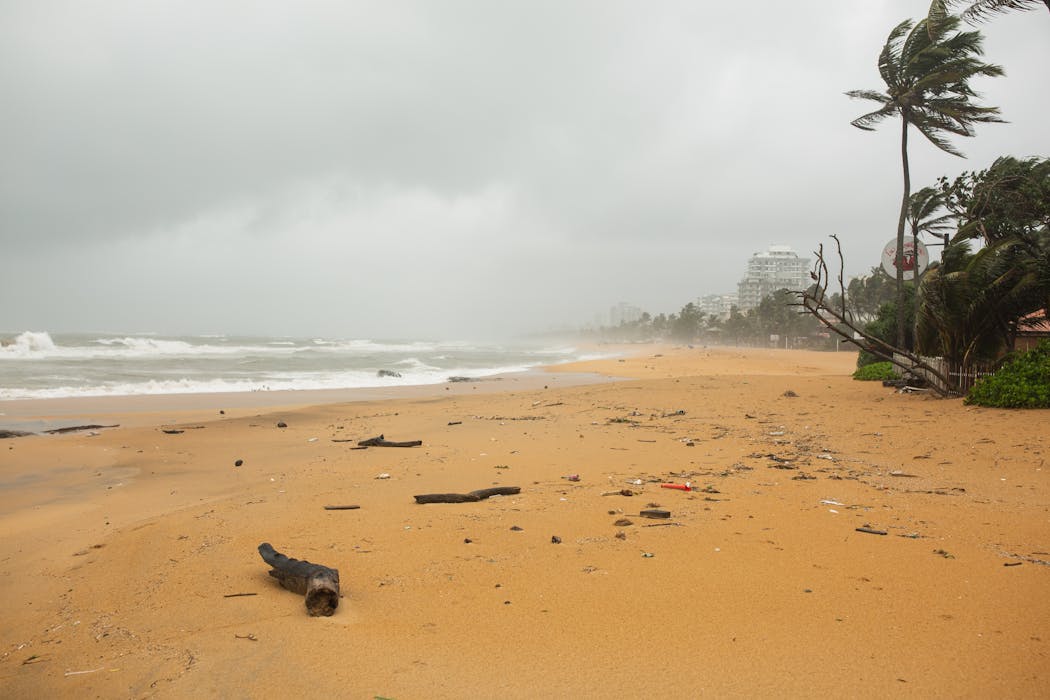
When Cyclone Ditwah struck Sri Lanka on November 28, 2025, it became one of the country’s worst modern disasters. Over 350 people lost their lives, hundreds went missing, and more than 1.4 million were affected. Widespread floods, landslides, and infrastructure damage left roadways impassable and critical utilities like hydropower and water treatment plants inoperable. Many families were displaced, seeking shelter as communities near major river basins became submerged within hours.
You could see this disaster not just as an isolated event but as a sign of deeper systemic failures. Vulnerable low-lying regions had long been at risk, but poor urban planning and outdated infrastructure left them exposed. Though past disasters like the 1978 cyclone and the 2004 tsunami had highlighted these risks, little improvement followed. Climate scientists and engineers, including a team I led, had already developed advanced flood models highlighting these exact vulnerabilities, specifically in Batticaloa, Mullaitivu, and Mannar.
Our team partnered with Sri Lankan agencies to understand how storm surges and heavy rainfall interact to worsen flooding. Using digital maps and historical cyclone data, we could identify the most at-risk communities. In Batticaloa, particularly, settlements near the Mundeni Aru basin were shown to be extremely vulnerable—findings later confirmed by Ditwah’s actual impacts.
Despite these warnings, delays caused by the COVID-19 pandemic meant many insights weren’t fully implemented. Dated drainage systems, coastal defences built for older storms, and growing urban development in natural flood zones all contributed to the disaster. The damage Ditwah caused matched the worst-case scenarios we had predicted.
Now you face a choice. By embracing updated flood science and integrating it into planning, Sri Lanka can prepare for future events more effectively. This means using modern models for flood maps, upgrading drainage based on future rainfall projections, and strengthening early-warning systems. If you act on these scientific insights, such disasters don’t have to be repeated.