
Business
Small talk is a powerful workplace asset, but can exclude new and diverse staff


DCM Editorial Summary: This story has been independently rewritten and summarised for DCM readers to highlight key developments relevant to the region. Original reporting by Irish Times, click this post to read the original article.
The craic, the banter, the scéal. Ireland is known for its céad míle fáilte, a hundred thousand welcomes, and hospitality is ingrained in our folklore, tradition and culture.
Tourists marvel at our conversational prowess when they hear us in the pub, on the road and when they’re engaged in the chats themselves. Some of us still carry on ancient traditions of welcome – like the light in the window and living by Yeats’s “no strangers here, only friends” mantra – that mark us out as a friendly people.
In politics, our legendary gift of the gab has helped us become honest brokers in negotiations and persuasive behind the scenes too. We know the true power of small talk behind all the big talk.
Until recently, though, chats in the workplace were among people like us – largely white Irish, Christian, sports or weather-obsessed and from families with a mammy, a daddy and some kids.
Workplaces today are increasingly different. They’re multicultural, with people from different countries, cultures, religions and sexual orientations. When it comes to the top table, women are relatively new and so are foreigners, people of colour and those with families of different forms.
Widening the work circle by including people from various backgrounds has been shown to lead to higher-performing teams and better business results. Yet, sometimes, it’s small talk that gets in the way of bringing new people with you.
If you’ve ever moved school or gone abroad, you know how difficult it can be being the newbie. Everyone wants to know your story. You’ll probably be asked the same questions 20 or 30 times that first week. Where are you from? Where did you work before this? Why did you come here? Who is minding the kids?
Over time, the questions become less frequent as people get to know more about you. At the start, though, it can feel very intrusive and tiring.
Outside of work, people who look, sound or behave differently will continue to be asked similar questions every single day, maybe multiple times a day when out in public. Unwarranted assumptions will be made about them by people who don’t know them, even in this era of global mobility.
Ireland’s long history of emigration means we’re not far from stories of alienation either. Irish people working in London in the 1970s and early 1980s often reported that once they opened their mouths, they were “Paddies” and assumed to be terrorists and liars.
Irish emigrants seeking employment in the United States from Famine times have been depicted as ignorant, violent, ape-like, drunken and possibly agents of a suspicious foreign religion. Even today, some young Irish people who move abroad experience barriers and unwelcome comments based on stereotypes.
There’s not much a workplace can do about the national culture in which it operates but it does have some control over how people are treated when they’re at work.
Seemingly innocuous small talk can go awry when leaders and team members forget to put themselves in the newcomer’s shoes.
For example, one Irish woman working for a multinational company joined an US-based team and was required to join weekly meetings online. For months she listened passively as her colleagues discussed their kids’ softball matches for the first 10 to 15 minutes. When her new boss wondered why she was so quiet – and not integrating well into the team – she patiently explained that she was a single, child-free woman who did not play softball.
Clearly very little effort had been made by her manager or team members to get to know her or make her feel welcome. This was an own goal.
Extensive research both here and abroad finds that when people feel they’re a part of a team, they work harder, are more satisfied at work and are less likely to leave the job. Inclusive, diverse teams also show improved decision making and higher levels of innovation.
The power of small talk
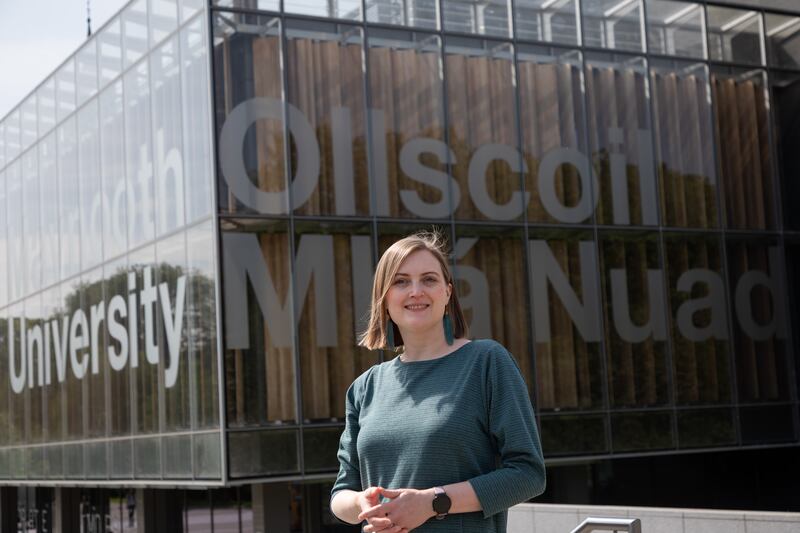
Most colleagues have the best of intentions with small talk but they might not realise how certain questions can make someone feel, says Dr Tatiana Andreeva, associate professor in management and organisational behaviour at Maynooth University.
She teaches leadership and researches employees’ relationships at work and how this impacts knowledge-sharing and collaboration.
Andreeva advises that, before you speak, think about what you’re trying to achieve with the conversation: are you filling time or trying to make a connection?
We often use time-filling questions when we’re waiting for something to start – a meeting, an appointment, an event – and that’s fine. But social interactions with strangers work best if you focus on what you share and ask non-intrusive questions.
“Talking about the weather is a safe bet as it’s something we all have in common. Asking open-ended questions at work that don’t assume anything about the person are also helpful.
“What do you like to do at the weekend? Or “What are you interested in?” are questions that don’t presume family status, sport preferences, where they live or where they’re from. This gives them room to share whatever they feel comfortable sharing.
[ Is conflict in the workplace good for innovation and results?Opens in new window ]
Our innate sense of curiosity drives us to ask about difference and to explore what’s new or interesting about someone. But questions about difference require a level of trust. When certain questions – where are you from? how many kids do you have? when are you going home? – are asked by strangers they can lead to very uncomfortable conversations.
At work, a focus on difference does not inspire anyone to contribute more than their job description demands. It may make them feel apart, different, a novelty or maybe even an awkward annoyance to their native-born colleagues.
“The point is not that these questions can never be asked, but that we pause to reflect on whether, in this particular moment and relationship, it is likely to help us connect with our colleagues or, on the contrary, produce discomfort and even alienation,” says Andreeva.
If you want to get to know a colleague or direct report better, you need to establish psychological safety first. “A focus on what’s similar between us rather than what is different makes such a big difference in terms of helping them feel they belong. At the beginning, it’s best to avoid questions about relationship status, culture and religion.”
In corporate settings, it’s better that people talk about the shared experiences they have at work. This offers a safe space as a conversation starter. From this, once the trust builds between you – and new colleagues begin to volunteer information – you can delve into other things.
A sense of belonging, that we are the one team, is something that really drives a range of helping behaviours at work. Although there’s no bonus for helping behaviours, and they’re hard to monitor, these are what make things happen faster and more efficiently in an organisation, says Andreeva.
Leaders and teams that use smart, inclusive small talk set the tone for the entire organisation. Their behaviours influence how teams collaborate, how conflicts are resolved and how people show up for one another. In a business landscape where innovation depends on psychological safety and collaboration, our céad míle fáilte is a strategic asset.
Margaret E Ward is chief executive of Clear Eye, a leadership consultancy. margaret@cleareye.ie

Continue Reading