
Opinion
Nature’s ultimate imposters: how insects convincingly mimic bumblebees to survive and deceive


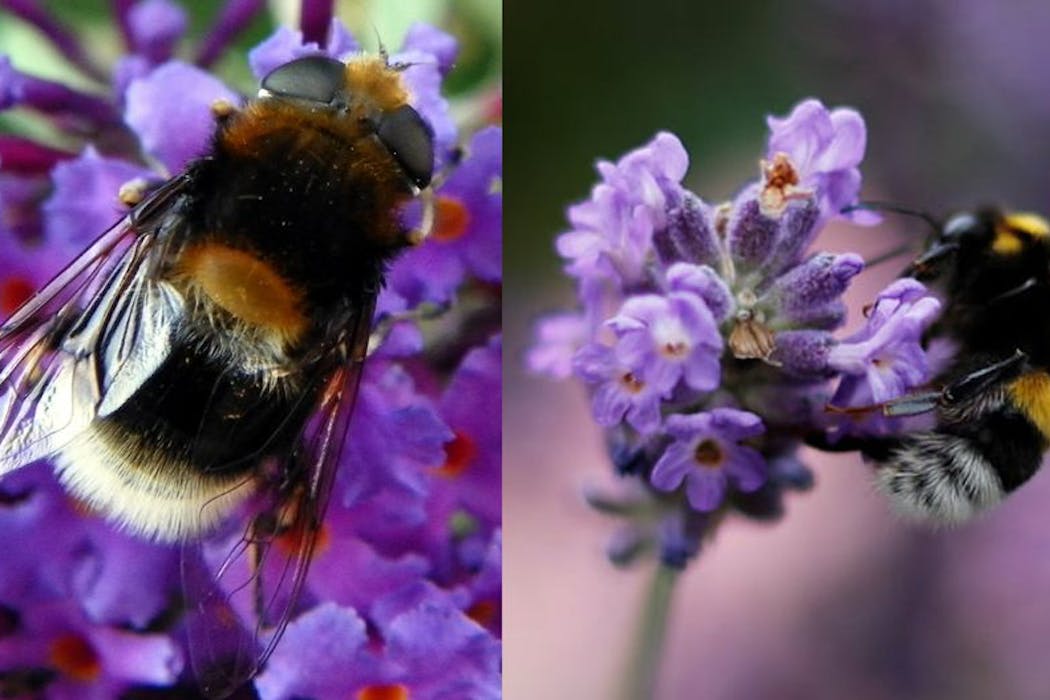
In nature, deception is a common tactic used by animals and plants to survive and thrive. You’ll see this clearly in mimicry, where one species evolves to resemble another for protection, predation, or reproduction. Hoverflies are a prime example, mimicking bees and wasps to avoid predators. But their trickery goes beyond appearance—hoverflies have even developed behaviors to enhance their disguise, like waving darkened forelegs to imitate the long antennae of wasps.
You may find it fascinating that mimicry isn’t limited to looking like another species. Some species take it further by copying how their models behave. For instance, certain hoverflies mimic not just the look but also the flight patterns and flower preferences of bumblebees. Researchers recently found that bumblebee mimics are more often seen on blue and purple flowers—favored by true bumblebees—while other insects prefer yellow or white.
This observation suggests that these hoverflies might have adapted their flower preferences to match bumblebees, helping them better sell the illusion. Alternatively, they may have originally preferred blue flowers, bringing them into closer contact with bumblebees and inadvertently starting the mimicry process.
As a predator, you’d recognize behavioral patterns just as much as physical traits. Because bumblebees are less dangerous than wasps, hoverflies that mimic them need to be highly accurate to fool predators. That’s why you’ll notice that bumblebee mimics are often the most convincing, both in look and in habits, including where they feed.
From waving legs to visiting specific flowers, hoverflies show you how powerful and intricate mimicry in the wild can be. For them, success lies in fooling not just predators but researchers, too—with deceptive skills developed over millions of years.