
Health
How new malaria-fighting tools saved millions—but drug resistance now threatens that progress


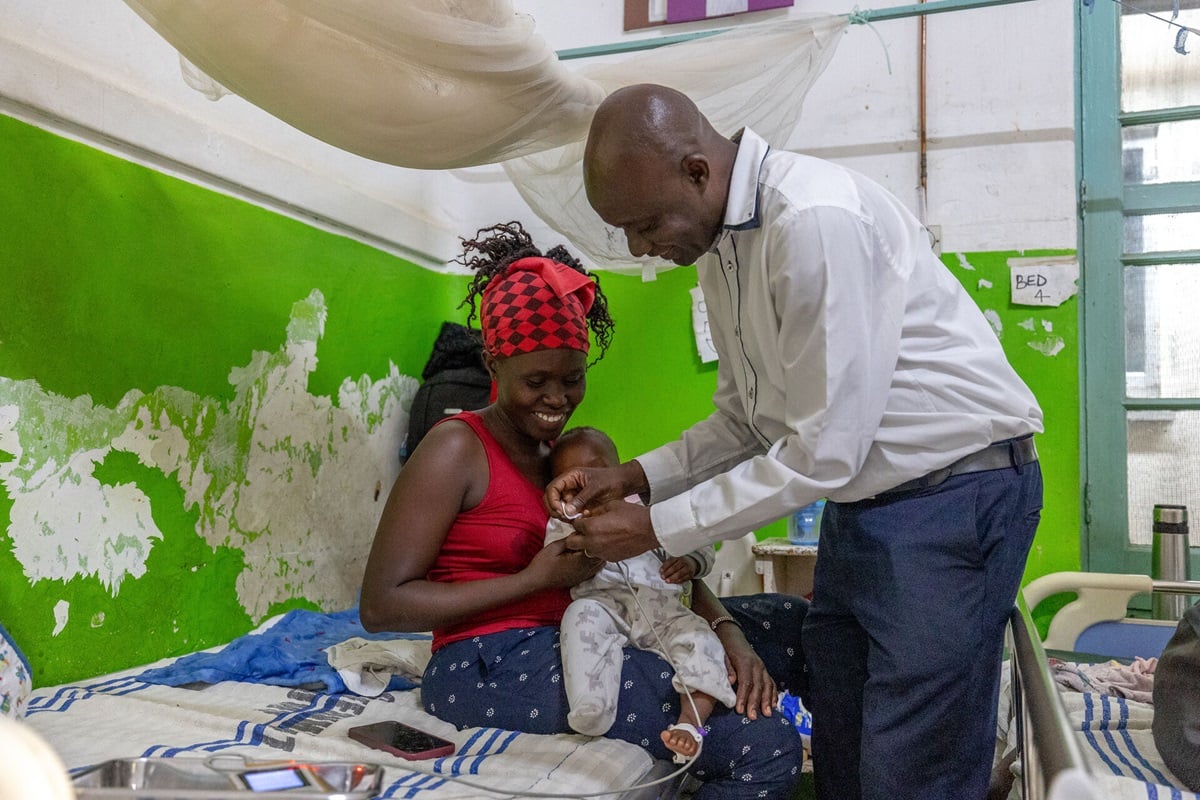
If you’re following global malaria efforts, you’ll find that new innovations such as WHO-recommended vaccines and dual-ingredient mosquito nets made a big impact in 2024. These tools helped prevent about 170 million malaria cases and saved an estimated 1 million lives, with 24 countries now including the vaccines in their regular immunization programs. Seasonal malaria chemoprevention also expanded to 20 countries, reaching 54 million children—a huge leap from the 200,000 reached in 2012. On a positive note, countries like Cabo Verde and Egypt were certified malaria-free in 2024, while Georgia, Suriname, and Timor-Leste joined them in 2025.
Despite these achievements, you’re likely to be concerned by the rise in malaria. In 2024, an estimated 282 million people were infected and around 610,000 died—mostly African children under 5. WHO warns that resistance to critical antimalarial drugs like artemisinin is growing, particularly in eight African countries. This drug-resistant trend is a worrying setback for the 2030 global malaria strategy, with current death rates three times higher than targeted levels.
You’re also looking at a range of new threats to malaria control. Mosquitoes with resistance to existing insecticides are spreading across 48 countries, as are strains of malaria parasites that make diagnostic tests less reliable. Additionally, invasive mosquito species like Anopheles stephensi are making urban malaria more difficult to control. Environmental issues like climate change and conflict are further disrupting health services, creating conditions that allow malaria outbreaks to grow unchecked.
If you’re tracking funding, it’s important to note that malaria efforts are severely underfunded. In 2024, only $3.9 billion was invested—less than half the 2025 goal of $9.3 billion. This gap has caused major disruptions like cancelled surveys and stock shortages in malaria programs. Recent cuts in global development aid have only worsened the situation, making it harder to maintain progress.
Still, there’s optimism. You can look to breakthroughs like the first non-artemisinin treatment—Ganaplacide–Lumefantrine—as signs of progress in the fight against drug resistance. WHO encourages endemic countries to follow through on their political commitments and keep pushing under coordinated efforts like the Yaoundé Declaration and the Big Push initiative. With strong leadership, adequate investment, and global cooperation, a malaria-free future is still within reach.