
Opinion
How European colonisation unintentionally fueled a rise in animal hybrids through global species mixing


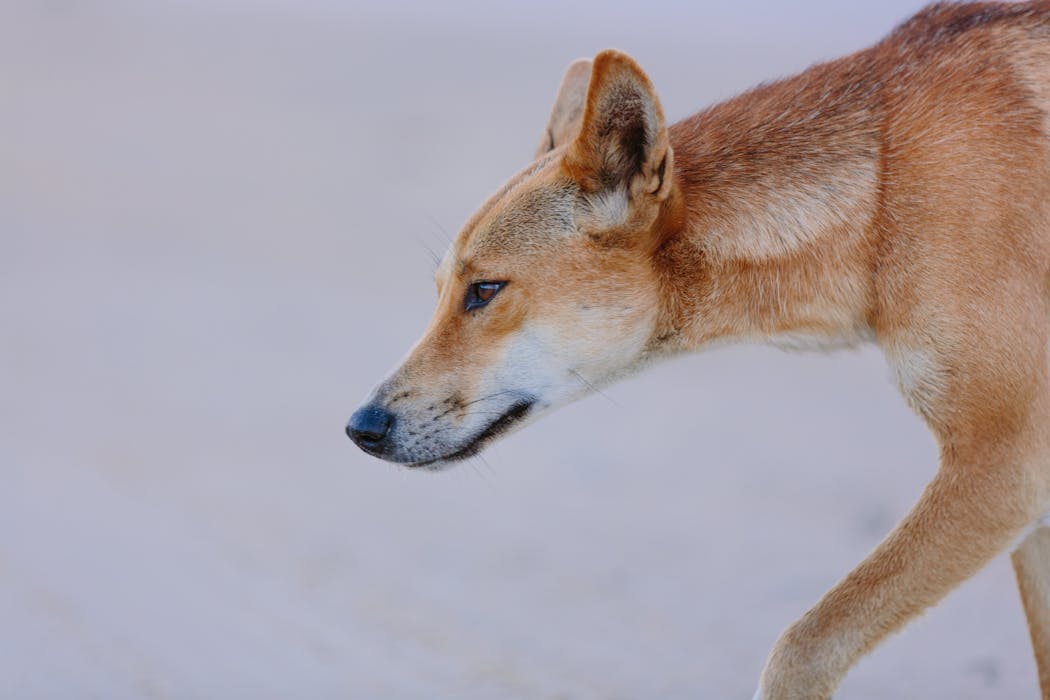
Humans have long transported animals across natural barriers, leading to increased hybridisation between species that were once isolated for thousands of years. This blending of previously separated populations raises concerns among scientists, especially when hybrids suffer from health problems. However, in a new study on Australian dingoes published in the journal PNAS, researchers found that interbreeding with European dogs might have actually helped dingoes evolve. Originally domestic animals, dingoes became isolated about 3,500 years ago and developed into dominant predators. While some scientists argue they should be classified as a unique species, others believe hybridisation with European dogs has muddied their genetic identity.
People have moved animals around for millennia, from ancient farmers bringing pigs into Europe to the Romans releasing exotic animals that turned feral. Dingoes fall into this latter category. Hybridisation can sometimes erase vital survival traits or lead to a loss in genetic diversity, as seen with red jungle fowl in Asia and Indigenous dogs in the Americas. But hybridisation isn’t always negative — it can also introduce genes that help populations adapt to new environments or resist disease, just as ancient humans inherited genes from Denisovans that helped Tibetans survive at high altitudes.
The question of dingo purity is at the heart of an ongoing debate in Australia, involving conservationists, farmers, and policymakers. Some arguments are based on studies that compare current dingoes to so-called “pure” reference groups. To get a clearer picture, researchers analyzed genomes from ancient dingo bones predating European arrival. Their analysis uncovered that dingoes in northwest Australia have retained pure ancestry, while those in the southeast carry up to 25% European dog genes due to interbreeding likely triggered by population pressures from mid-20th-century poison baiting programs.
What’s striking is that these genetic mixtures may actually benefit dingoes. You’ll find that hybridisation increased genetic diversity among southeastern dingoes, potentially reducing the negative effects of inbreeding. The study also found dog-inherited genes that may help dingoes fight off diseases introduced by Europeans. Based on this, researchers believe conservation should move beyond purity and focus more on maintaining healthy, genetically diverse populations capable of adapting to a changing world.
With increasing human expansion and animal hybridisation happening worldwide — from wildcats in Scotland to salmon and alpacas — it’s essential to understand the full history and effects of these encounters. That’s the best way to ensure a future where species like the dingo can thrive while retaining the traits that make them resilient apex predators in Australia’s ecosystems.