
Environment
England’s hidden dumping crisis: hundreds of illegal waste sites exposed, including 11 massive ‘super tips’


Malcolm Prior,rural affairs producerand
Jenny Kumah,rural affairs correspondent

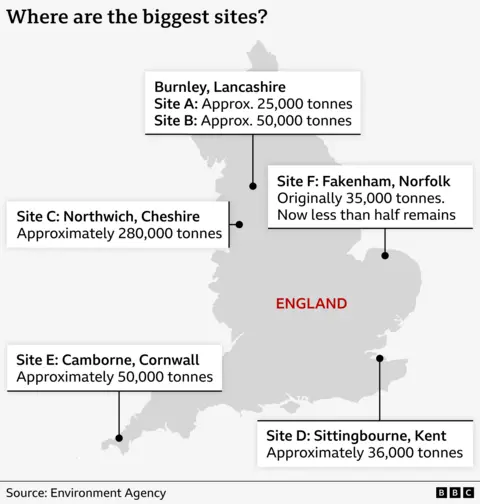
If you live in England, you may be surprised to learn that hundreds of illegal waste dumps are still active across the country, with over 500 sites operating as of late 2024. A BBC investigation uncovered at least 11 massive “super sites” holding tens of thousands of tonnes of rubbish each. These sites, mostly hidden in rural areas intended for agriculture, are often run by organized crime groups. They offer cheaper waste disposal than legal operators, causing serious environmental damage.
In some places, such as Over in Gloucestershire, you might notice the devastating effects firsthand—smoke, smells, and visibly large mounds of rubbish. Witnesses reported dozens of trucks dumping waste daily before a fire in June 2025 forced some operations to stop. Still, the site hasn’t been fully shut down. Locals are frustrated, saying authorities aren’t doing enough to clean up or prevent further dumping, even when those responsible have already been identified or prosecuted.
The environmental impact is significant. Pollutants are seeping into river systems like the River Leadon and the nearby countryside is visibly damaged. Fires caused by spontaneous combustion of waste have required emergency responses. Some residents have reported being afraid to speak out due to fears of retaliation from those involved in the illegal operations.
Authorities like the Environment Agency and local police say they’re working to combat waste crime, and recent raids have led to arrests, cash seizures, and confiscation of weapons and stolen goods. But they admit the issue is complex and constantly evolving, with new waste sites appearing even as old ones are shut down. Despite closing more than 700 illegal tips in 2024/25, many high-risk areas remain unresolved.
Government officials acknowledge the scale of the problem and claim they’re increasing resources to fight waste crime, including higher funding and stricter penalties. However, criticism continues from environmental groups and parliamentary committees, demanding more transparency and quicker action to address what’s now seen as a growing national crisis.