
Politics
British FBI-style agency to unlock policing power and target everyday crime, vows home secretary


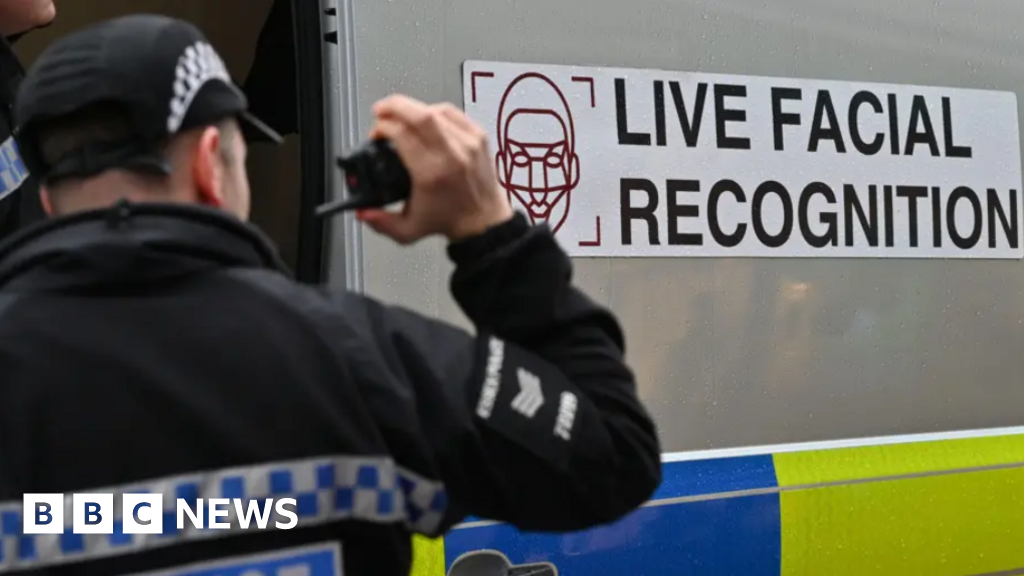
The UK government is launching a new National Police Service (NPS) that will take on responsibilities like counter-terrorism, fraud, and organised crime investigations. Home Secretary Shabana Mahmood, referring to the NPS as a “British FBI”, explained that this move isn’t about cutting costs but about building a modern, effective police system for England and Wales. The new service will consolidate functions from existing agencies like the National Crime Agency (NCA) and regional crime units, and invest in advanced technology, including facial recognition, for national use.
By handing over complex and specialised investigations to the NPS, your local police forces will have more capacity to handle everyday crimes like shoplifting and phone theft. Mahmood stated that the current policing model is “broken”, with overburdened local officers unable to fully address the rising tide of common street-level crime. The goal is to create a model where both local and high-level crimes are dealt with effectively, and you can have confidence that justice will be served regardless of where you live.
The NPS will operate across England and Wales, with the potential to extend activities across the UK. It will be led by a national police commissioner — the most senior officer in the country — and will coordinate resources and intelligence-sharing among forces. Major national responsibilities, such as counter-terrorism and air support, which are currently handled by various regional forces, will now be brought under one roof to ensure consistency and effectiveness.
While the government defends the changes as necessary and timely, there has been pushback. Critics worry that centralisation may come at the cost of community-focused policing. Key organisations, including the Police Federation and the Association of Police and Crime Commissioners, expressed concern that creating regional units could be costly and disconnect police from the communities they serve. Additionally, plans to give the Home Secretary authority to dismiss police chiefs have sparked debate over accountability and political interference in policing.
Despite concerns, supporters like the current head of the NCA argue the system needs reform to meet new threats. You’re likely to see more technology used in policing, especially facial recognition, which the government claims has helped arrest over 1,700 suspects in two years. However, some critics warn of risks to privacy and potential bias. These sweeping reforms are positioned as part of a broader redesign intended to make policing more responsive and efficient in the face of rapidly evolving crime.