
Opinion
How a sleepless ancient jellyfish is rewriting everything we know about the evolution of sleep


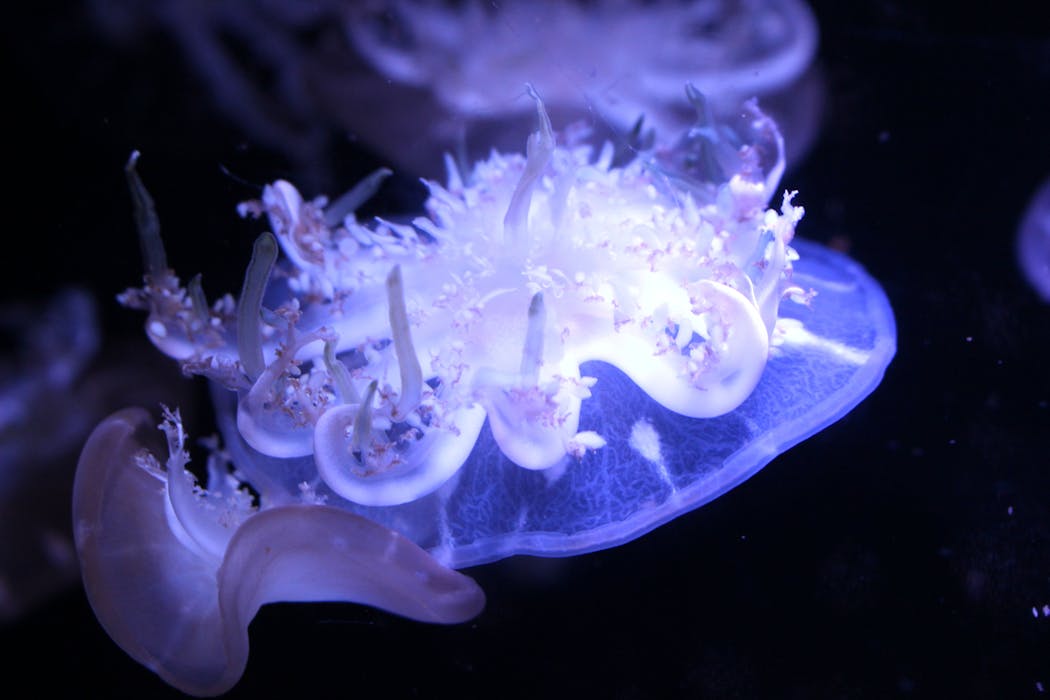
If you’ve ever wondered why sleep is so essential, even for creatures without brains, a new study might offer some answers. Scientists observed upside-down jellyfish and starlet sea anemones—simple animals from a lineage over 500 million years old—and found that they experience sleep-like states where their nerve cells repair DNA damage. Even though these animals lack complex brains, their bodies show a clear need for rest to fix the wear and tear that occurs during wakefulness.
Using field cameras and lab experiments, researchers found that these animals slow their movements and respond less to stimuli during rest, meeting the standard definition of sleep. When deprived of rest through water current changes or exposure to DNA-damaging ultraviolet light, they slept more later—just like you might catch up on sleep after a long night out. Melatonin, the hormone that induces sleep in people, also triggered rest in these brainless animals, suggesting that sleep mechanisms evolved much earlier than previously thought.
During active periods, nerve cells in both jellyfish and anemones accumulated DNA damage, which then decreased after rest. This pattern supports the theory that a key function of sleep is cellular housekeeping—giving nerve cells time to repair themselves. These findings show that sleep likely predates the evolution of brains or organized nervous systems and was a critical survival strategy to protect early life forms from neural decline.
Although the study focused on just a few sea creatures, it opens new doors to understanding sleep as a fundamental biological process. Future research will need to test whether similar DNA repair during sleep happens in other simple organisms that live in different environmental conditions. Still, this new evidence strengthens the view that sleep’s most ancient and essential function might be maintaining the integrity of your nervous system—even if that system is as basic as a jellyfish’s nerve net.