
Environment
How cold weather and booming data centres are silently driving up US greenhouse gas emissions


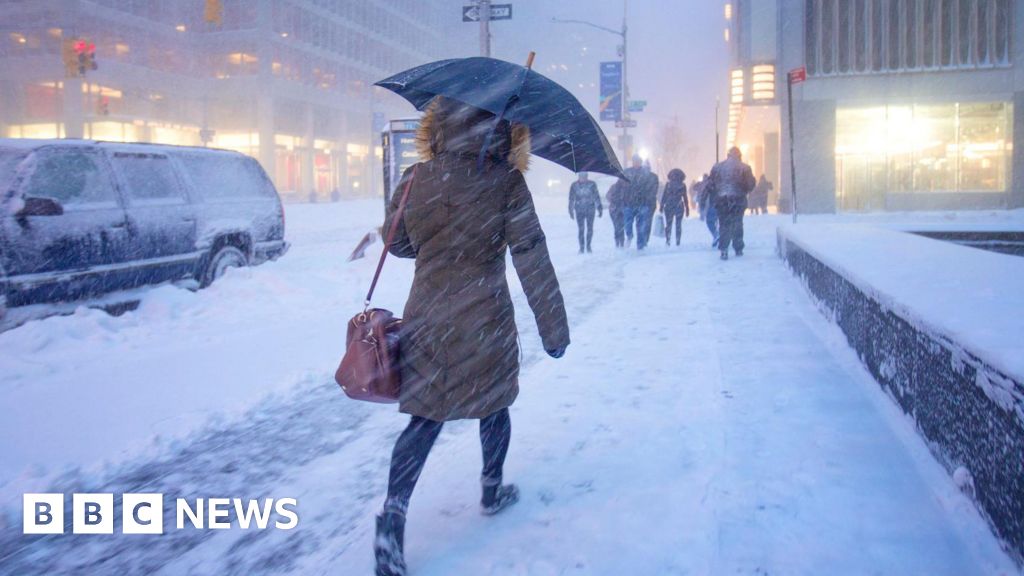
In early 2025, the United States experienced a sharp rise in greenhouse gas emissions for the first time in three years, driven by a colder winter and growing electricity demand from data centers and cryptocurrency mining. As a result, homes used more natural gas for heating, and coal usage jumped by 13%, reversing recent declines. Even though solar energy grew significantly—by 34%, the highest rate since 2017—it wasn’t enough to offset the overall increase in fossil fuel consumption.
The Rhodium Group reported that total greenhouse gas emissions rose by 2.4%, surpassing the rate of economic growth. In colder regions, heating needs led to a 7% jump in fossil fuel use. Additionally, power-hungry tech operations in states like Texas and Ohio spurred greater electricity demand. Due to high natural gas prices, some utilities switched back to coal, which had previously declined due to cheap gas options. This shift marked only the second annual increase in coal use since 2007.
While other countries like India and China saw drops in coal use by expanding wind and solar capacity, the U.S. slowed its pace of coal plant retirements to meet growing demand. Experts suggest this may be more than a short-term trend, pointing to the increasing load from tech industries. Emissions from transportation remained flat despite a fifth consecutive year of rising road traffic, largely due to more hybrid and electric vehicles—particularly hybrids, which increased by 25%.
Although President Trump rolled back many climate policies and promoted fossil fuel development, analysts believe these actions didn’t significantly impact 2025’s emissions. Still, some critics argue that policies supporting natural gas exports and data center growth are contributing factors. The energy shift underscores a complex interplay between weather, technology, and policy—and may signal enduring challenges in the push toward cleaner energy.