Opinion
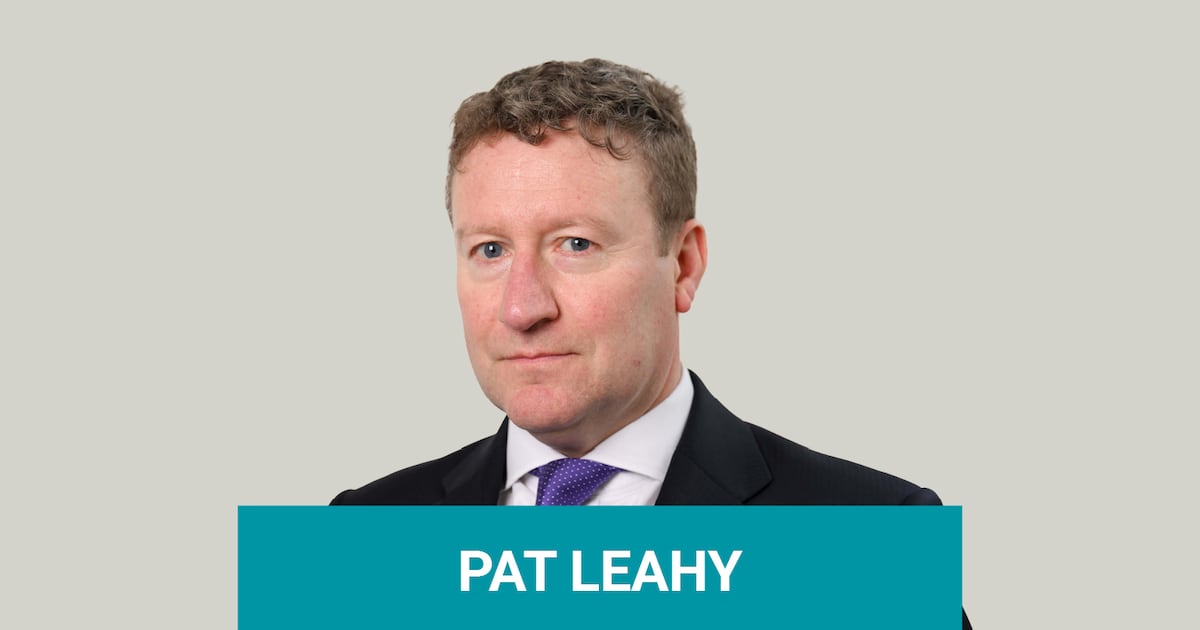
Why EU leaders are rethinking their Trump strategy after Davos, according to Pat Leahy


This week signaled a dramatic shift in global politics, making it clear that the old world order is ending. Two major speeches — one by U.S. President Donald Trump and another by Canadian Prime Minister Mark Carney — highlighted the rising threat for small and medium-sized countries in this uncertain landscape. Trump’s chaotic demand for Greenland from Denmark, often confusing it with Iceland, was disturbing but in line with his previous behavior. Even after backing off from military action, his message suggested a United States that is assertive, unpredictable, and willing to reshape alliances unilaterally.
Carney’s speech, referencing a Greek aphorism about the strong dominating the weak, warned that the world is undergoing a rupture, not just a transition. His key point was that countries like yours must either claim a seat at the table with greater powers or risk being overpowered in global affairs. He urged “middle powers” to act together for strategic security and leverage. This tone reflects growing concern that the global system is now tilted toward power blocs and away from cooperative diplomacy.
For EU countries, including Ireland, the events of this week served as a wake-up call. European leaders seem increasingly convinced that the U.S. under Trump is no longer a dependable ally. Rather than appeasing Washington, there’s a growing recognition that the EU must defend its own interests. The approach now focuses on reinforcing European unity, increasing military and economic independence, and preparing for a more adversarial international environment.
But this new direction won’t come easily. For Europe to adjust successfully, it will have to accept hard changes—more focus on defense, tighter budgets, and an emphasis on competitiveness and growth. That shift may not sit well with voters like you, leading to possible internal conflicts and setbacks, such as delaying trade deals at a crucial time.
For Ireland, this transformation presents both risks and potential. As someone living in a country deeply dependent on global trade and woven between U.S. and EU relations, you’re especially vulnerable to rising tensions. The Irish government must walk a careful line, but ultimately, it’s clear Ireland will side with the EU if forced to choose. Your leaders are advised to strengthen the economy, maintain fiscal stability, and take a more active role in EU defense. Luck may have helped in the past, but preparation will be key in this new world.