
Health
Gaza famine delayed but crisis far from over as UN agencies urge sustained support


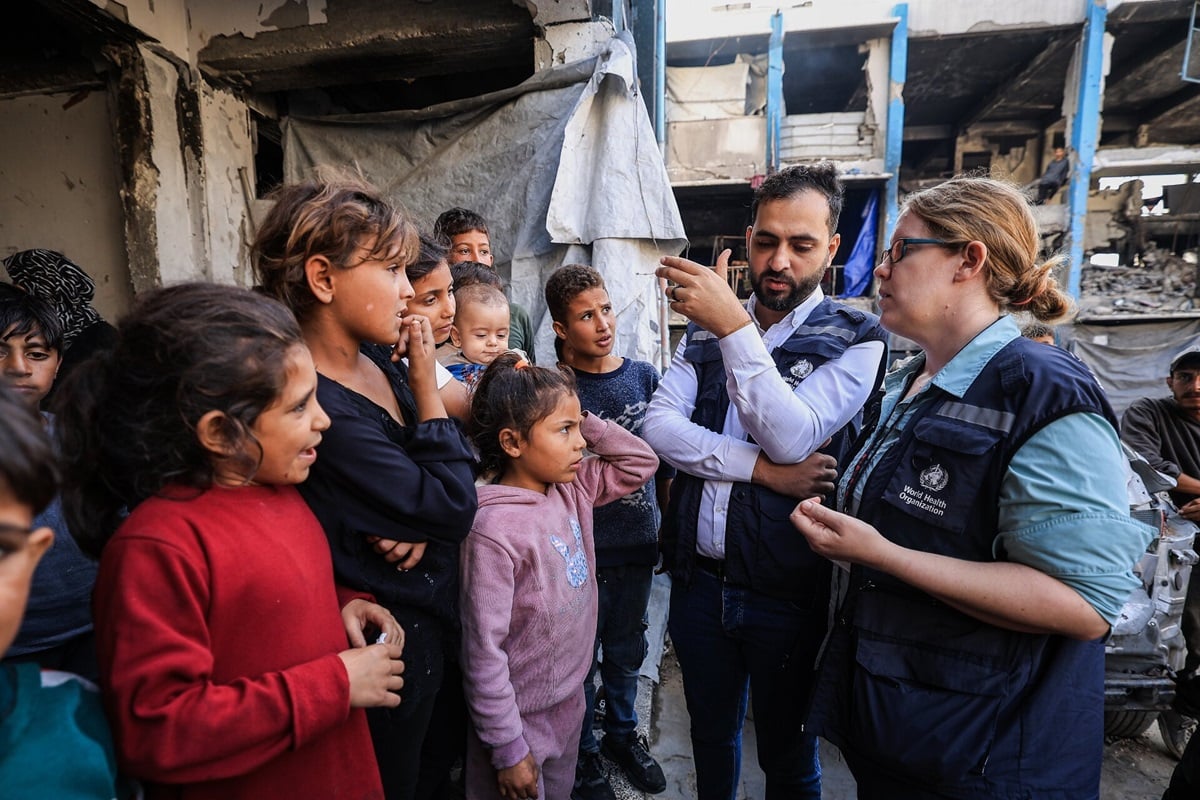
The recent Integrated Food Security Phase Classification (IPC) report shows that, thanks to the October ceasefire and increased humanitarian and commercial access, Gaza is no longer classified under famine conditions. However, this progress is still extremely fragile. You and others in Gaza continue to face devastating challenges, including destroyed infrastructure, collapsed livelihoods, and limited local food production. Unless aid efforts significantly expand and more supplies flow in, food security could quickly worsen again.
Right now, 77% of Gaza’s population—about 1.6 million people—are still dealing with critical food insecurity. If you’re living in one of the four hardest-hit governorates—North Gaza, Gaza Governorate, Deir al-Balah, or Khan Younis—you remain in IPC Phase 4 (Emergency), which still means major food shortages and health risks. Although food is reaching markets more effectively since the ceasefire, most families, likely including yours, still can’t afford the nutrition-rich foods needed to stay healthy.
You might also be living in overcrowded shelters, using unsafe water, and struggling to keep warm—conditions that cause the spread of disease and further endanger public health. These hardships are especially severe for children, pregnant women, and breastfeeding mothers who face high rates of malnutrition. Despite some relief, 79% of households can’t buy enough food or access clean water, and many children are surviving on only one or two types of food.
Humanitarian organizations like FAO, UNICEF, WFP, and WHO are ready to do more to help you. Still, they’re limited by access restrictions, import delays, and funding shortages. These agencies are calling on all parties to ensure safe and expanded access for humanitarian and commercial aid, unblock essential imports, and boost funding to rebuild essential services, restore farming and fishing, and bring long-term recovery to Gaza.
If the current fragile peace holds and more aid is allowed to reach your community, meaningful recovery is possible. But without fast and decisive action, you and your neighbors risk seeing recent gains erased and a return to life-threatening conditions.