
Health
World leaders unite for a groundbreaking declaration on noncommunicable diseases and mental health


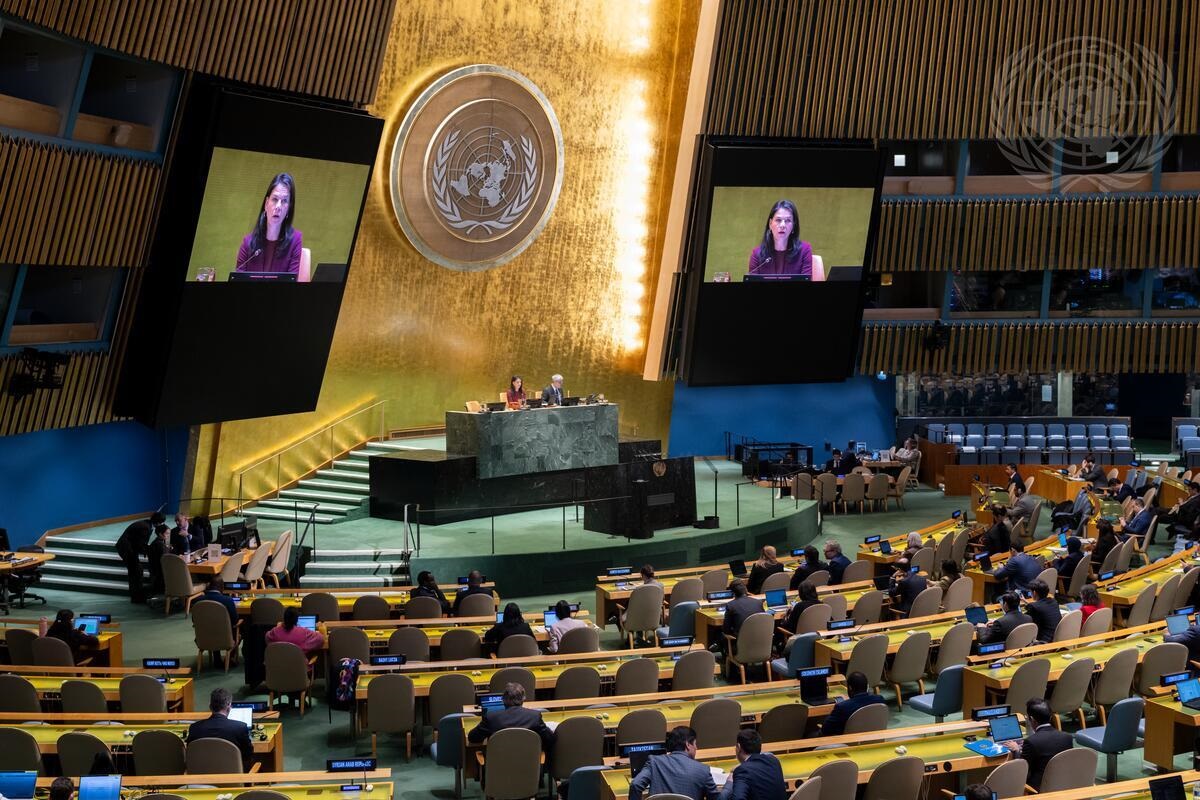
At the Eightieth United Nations General Assembly, global leaders adopted a political declaration aimed at tackling noncommunicable diseases (NCDs) and mental health through an integrated approach. This declaration was the result of extensive intergovernmental negotiations leading up to the fourth high-level meeting on NCD prevention and mental well-being, held on September 25, 2025. It’s the first global commitment to address both health challenges together, setting ambitious targets for 2030. With NCDs responsible for 18 million premature deaths each year and mental health issues impacting over a billion people worldwide, this united effort marks a critical step forward.
You’ll see that the declaration introduces three key outcome targets by 2030: 150 million fewer tobacco users, 150 million more people with controlled hypertension, and 150 million more with access to mental health care. It also includes goals for national systems, such as ensuring at least 80% of countries have strong policies, access to essential medicines, financial protections, multisectoral national plans, and tracking systems in place. The World Health Organization emphasizes that with these targets, countries can significantly alter the current health trajectory and improve overall well-being.
This declaration also tackles new concerns, expanding the scope to cover oral, lung, kidney, and liver diseases; environmental factors like air pollution and hazardous chemicals; and the impact of digital exposure, including social media and harmful online content. There’s a stronger regulatory push against unhealthy food marketing, e-cigarettes, and trans fats. Throughout, the declaration stresses the importance of equity—especially for people already living with NCDs or mental health conditions and those in vulnerable settings.
Given the global economic challenges, the declaration calls for increased and sustained health financing, urging nations to boost domestic funding and strengthen international collaborations. It positions NCDs and mental health as essential to sustainable development and highlights that success will require participation from every sector—including governments, civil society, and people with lived experiences.
Lastly, the declaration sets the stage for accountability, building on past commitments while introducing mechanisms to measure and ensure real impact. You can expect the UN Secretary-General to report on progress by 2030, with guidance and support from WHO and other agencies to help countries meet their goals and turn this declaration into meaningful action for years to come.