
Health
New WHO analysis shuts down vaccine-autism myth, reinforcing scientific consensus


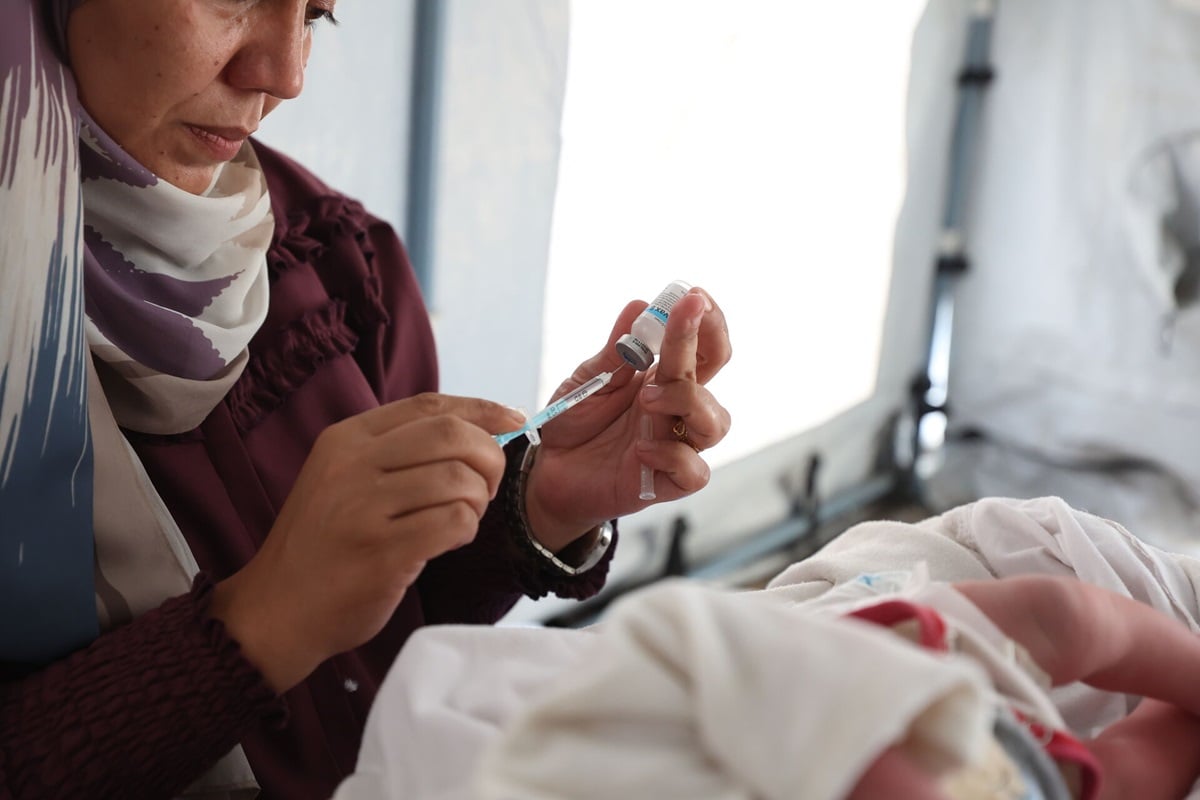
If you’re concerned about the safety of vaccines, especially in relation to autism, the latest findings from the World Health Organization (WHO) offer clear reassurance. The WHO’s Global Advisory Committee on Vaccine Safety (GACVS), an independent body of experts, has found no causal connection between vaccines and autism spectrum disorders (ASD). Their thorough analysis, conducted in November 2025, confirms that childhood vaccines, including those containing ingredients like thiomersal and aluminum adjuvants, are safe and not linked to ASD.
You’ll be encouraged to know that this conclusion is based on strong scientific evidence. The committee reviewed 31 primary research studies published between 2010 and 2025, covering data from various countries. All the studies support the safety of vaccines used in children and pregnant women, reaffirming that there’s no link between vaccines and autism. The review also included a large cohort study based on data from the Danish national registry, tracking children born between 1997 and 2018, which further confirmed the absence of a connection.
The committee specifically looked into thiomersal—a preservative once used in some vaccines—and aluminum, which is added to boost vaccine effectiveness. Both have been examined through decades of research, including studies running from 1999 through 2023. Based on this extensive review, GACVS stands by its earlier findings from 2002, 2004, and 2012, stating once again that these components do not cause autism.
As you consider information about vaccines, WHO strongly encourages all health authorities and the public to rely only on the most current and credible scientific data. Immunization remains one of the most effective public health measures ever developed, saving over 154 million lives in the last 50 years and continuing to protect communities worldwide.