
Opinion
How electric vehicle battery waste could become the unexpected hero in solving concrete’s carbon problem


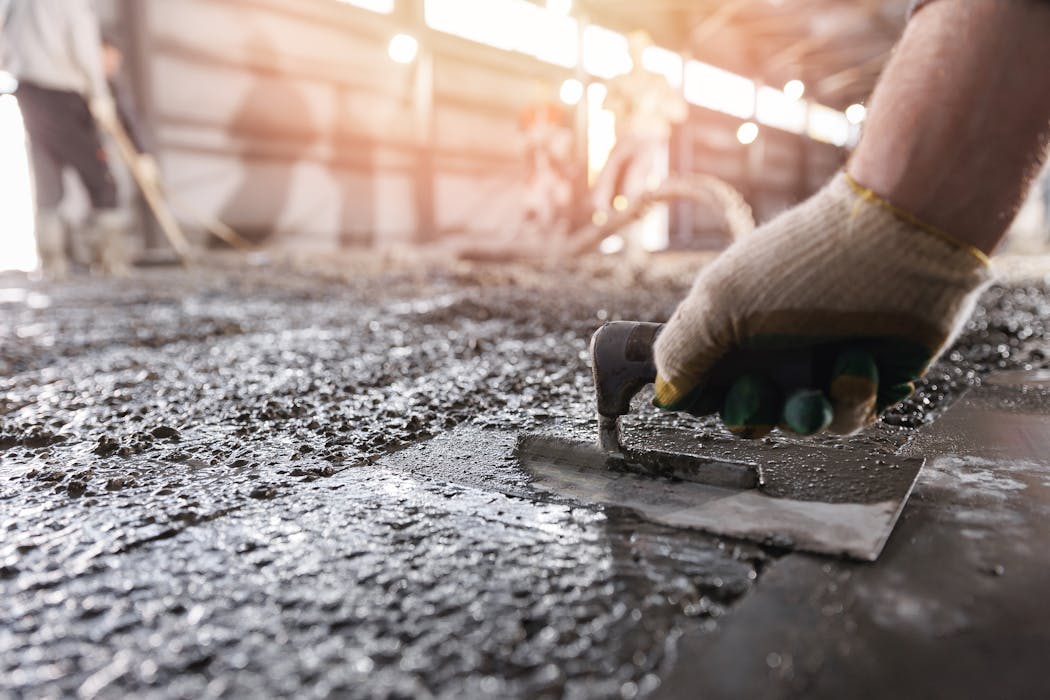
By 2040, you might experience quieter and cleaner cities as electric vehicles (EVs) become mainstream, potentially making up 60% of global traffic. However, while EVs reduce air and noise pollution, the production of lithium batteries brings new environmental concerns. In 2023 alone, 1.8 million tonnes of lithium mining waste ended up in landfills. At the same time, the construction industry continues to rely heavily on concrete, generating significant carbon emissions—contributing nearly 8% of global CO₂ output due to the production of Portland cement.
You may find it surprising, but the problems of lithium waste and concrete carbon emissions might actually share a solution. Lithium extraction processes generate waste rich in silicates, alumina, and calcium oxides—the same compounds used in cement production. Researchers in the UK are now testing whether this lithium waste can partially replace traditional cement to create a low-carbon concrete substitute dubbed “lithicrete.” If successful, it could cut cement-related emissions by up to 50%.
In the past, the construction industry used byproducts like fly ash and blast furnace slag to reduce reliance on pure cement. But as coal plants shut down and industrial practices evolve, these alternatives are becoming harder to find. You’re now at a point where new, sustainable materials like lithium waste are critical for meeting environmental goals and maintaining infrastructure growth.
This approach doesn’t just address environmental concerns—it also strengthens the UK’s material supply chain for construction while reducing landfill waste. More importantly, it ensures that your support of green technologies like EVs won’t shift the environmental burden elsewhere. For a truly sustainable future, you need a circular approach—finding ways to reuse and recycle materials efficiently across different industries.