
Opinion
How the cracks in global supply chains are fueling the rise of food insecurity worldwide


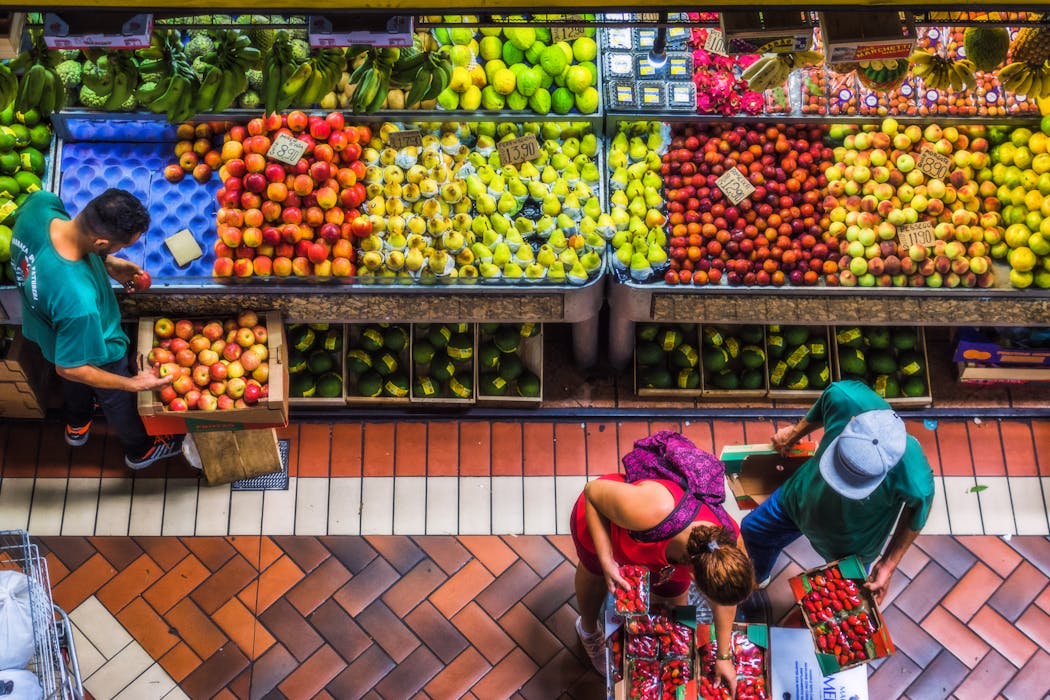
Even though the world produces more than enough food to feed everyone, hunger and food insecurity remain critical issues. In 2024, about 8% of the global population experienced hunger, while nearly 28% lacked consistent access to safe and nutritious food. Large-scale agricultural trade, heavily supported by global supply chains, plays a dual role in this crisis. While profitable for large exporters, these systems often weaken local food networks and reduce domestic food security. Your focus shouldn’t just be on increasing food exports but also on ensuring people have the right to access food within their own countries.
Brazil offers a compelling case study. It’s one of the world’s top food producers yet still struggles with hunger and food insecurity, particularly among women and children. Policies that emphasize economic redistribution—like the “fome zero” and “bolsa família” initiatives—have previously helped reduce hunger. However, when such policies were rolled back, food insecurity surged. The reintroduction of these programs in 2022 saw a positive impact, but hunger remains a persistent problem.
The issue also stems from Brazil’s integration into global supply chains, which prioritize soybean and corn exports for international markets like China. While exports have increased dramatically, domestic food production of staples like rice has declined. This shift has driven up food prices faster than inflation and left poor communities more vulnerable. You can see how economic success in agribusiness can come at the cost of local food access.
However, Brazil also shows that alternatives are possible. Belo Horizonte’s local food policy is a powerful example of how a city can commit to the right to food. Since the 1990s, it has invested a small portion of its budget in subsidizing meals, supporting local farmers, and building a fairer food distribution system. With public restaurants offering nutritious meals at minimal costs, direct farmer-to-consumer sales, and support for school meal programs, the city has seen notable improvements: less poverty, better nutrition, and fewer hospitalizations for malnutrition.
If your goal is to tackle food insecurity, consider policies that prioritize affordable access to nutritious food, empower local producers, and link food systems closely with community needs. Rather than relying solely on global trade networks focused on profit, adopting the right-to-food model can deliver more equitable and lasting solutions.