
Opinion
What a 290,000-strong database of English medieval soldiers reveals about war, society, and power


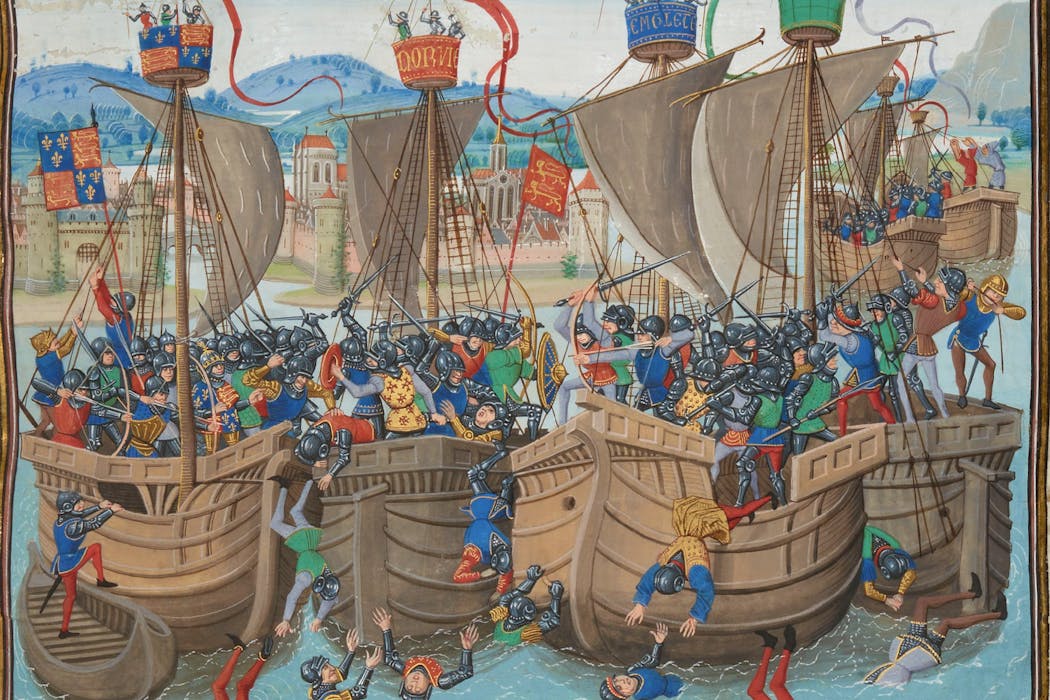
When you think about medieval warfare, it’s easy to focus on kings and major battles, but what about the everyday soldiers? Now, thanks to the Medieval Soldier Database, you can explore the lives of these lesser-known figures. Launched in 2009, the database is the largest online collection of medieval military records, offering detailed information about people who served in the English army between 1369 and 1453. It was created to disprove the myth that medieval soldiers lacked professionalism and to reveal the realities of military life at the time.
The resource has proven very popular, with around 75,000 monthly visitors. Recently updated and now hosted by the University of Southampton’s GeoData institute, the database has expanded to include around 290,000 entries—some reaching back to the late 1350s. Most of the information comes from muster rolls and includes not just soldiers, but also support roles like masons, blacksmiths, and even boatmen. You can see the dots that officials used to confirm attendance and inspect equipment, all ensuring value for the Crown’s money. It also includes legal records that protected soldiers’ rights while they served abroad.
What makes this even more fascinating is how the data provides insights into soldier careers, social mobility, and life paths. Some soldiers served for 20 years or more and moved up in society thanks to their service. The updated records also shed new light on key locations like Calais, a vital English outpost in France, showing the significant manpower involved in defending it and the many expeditions that passed through it.
The database connects to other historical moments too. You can find military backgrounds of figures involved in the 1381 Peasants’ Revolt or even discover records linked to Geoffrey Chaucer, the famous author of “The Canterbury Tales,” who also served as a soldier and diplomat. These entries offer rare glimpses into individual lives, including intriguing figures like Thomas Crowe and possibly Wat Tyler, leaders in the rebellion.
With this extensive and growing collection, you now have the chance to delve into your own family history or better understand the structure of England’s early military system. It’s a valuable tool for historians and the public alike, preserving stories that might otherwise have been forgotten.