
Opinion
Why being single in your 20s can feel liberating—but isolating in your 30s


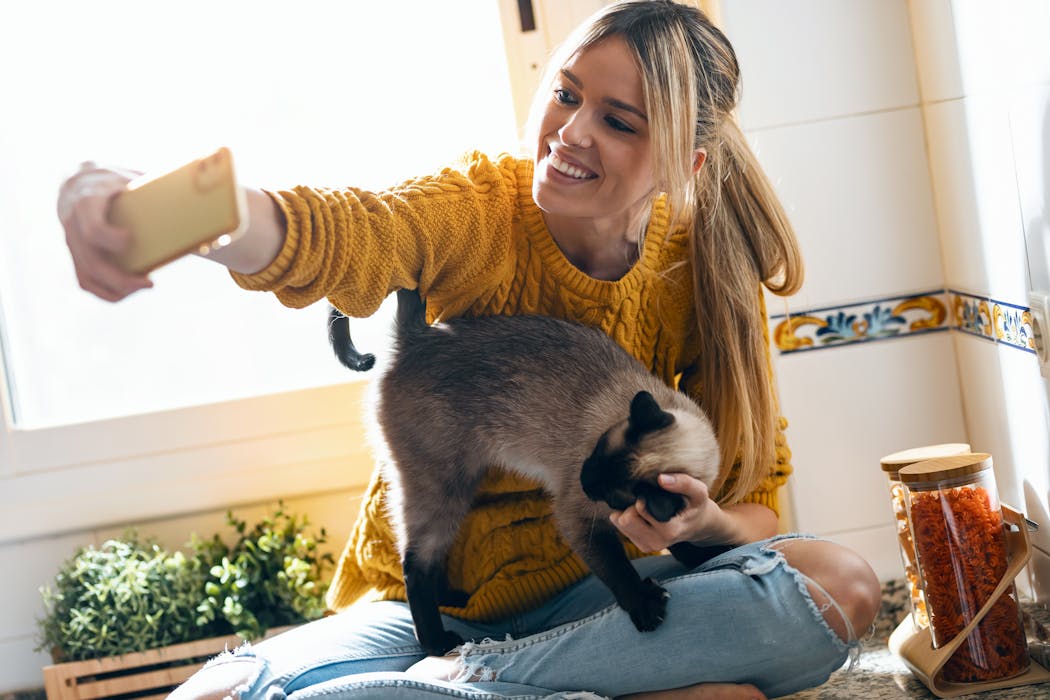
If you’re a woman in your 20s, you may feel empowered by being single—a lifestyle increasingly celebrated in social media, pop culture, and by influencers. You’ve likely seen messages urging you to focus on personal growth, independence, and self-love. From TikTok trends like “boy sober” to feminist slogans such as “dump him,” singlehood has been reshaped as a positive, even enviable, choice. You might feel like the main character in your own life story, flourishing without the expectations of traditional relationships.
But as you approach your 30s, the supportive narrative may start to shift. Where you were once seen as strong and independent, you might now face pity or unsolicited concerns about your fertility, relationship prospects, or even your sexuality. The research reflected in this article shows that women often sense an “internal deadline”—a pressure to form lasting relationships and tick off life milestones, such as marriage and children, by their 30s. This anxiety is different for men, who often experience this pressure later in life, and usually with fewer societal critiques.
You may find yourself in a dilemma: valuing your autonomy, yet unsettled by the growing urgency to “settle down.” Even if you’re happy being single now, you may fear judgment or feel less empowered if you remain single into your 30s and beyond. The recurring message seems to be that singlehood is acceptable only when it’s temporary, and that satisfaction must ultimately be found in a relationship.
If you’re in your 40s or 50s, you might discover a new stage of independence, one that rejects societal expectations altogether. Women in this age group often report a sense of freedom and even humor about the outdated stereotypes they face, such as being labeled a “cat lady.” Still, the article points out that true single positivity remains limited—it often excludes older, disabled, or less conventionally attractive women. Society still presents coupledom as the ideal, suggesting that singlehood is only acceptable as a phase, not a permanent lifestyle.
You’re encouraged to reflect on who gets to enjoy the benefits of single positivity and challenge the cultural belief that happiness must be tied to a romantic partnership. The conversation is shifting, but it also reveals how far we still have to go in redefining the value of single life at every age.