
Opinion
Why Rachel Reeves’ tax ‘smorgasbord’ could backfire – unpacking the bold strategy behind her economic gamble


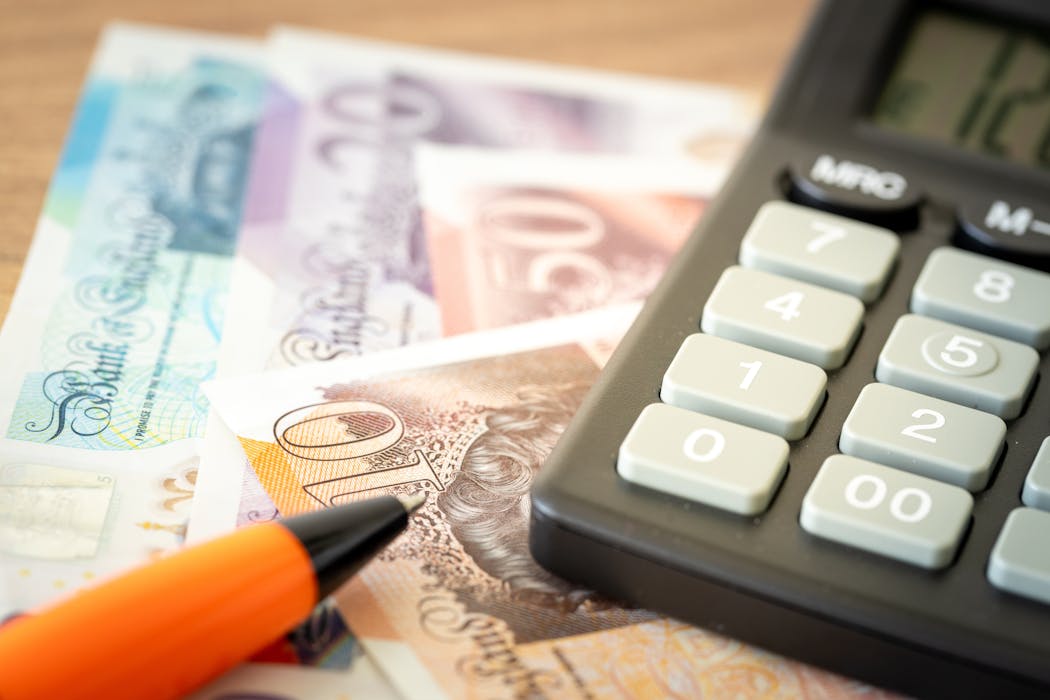
In her second budget, Chancellor Rachel Reeves raised taxes by £26 billion, pushing the UK’s tax burden to a historic high of 38% of GDP by 2030-31. This increase doubles her fiscal buffer to £22 billion, giving the government more room to either boost spending or cut taxes in the future. Instead of raising income tax rates directly, Reeves introduced a collection of smaller, less noticeable changes to expand the tax base, avoiding headline-grabbing measures while still generating significant revenue.
One major change is a continued freeze on personal income tax thresholds until 2028, meaning as your wages rise with inflation, you’re more likely to be pulled into higher tax brackets—a process known as “fiscal drag.” This alone is expected to bring in £12.7 billion. Another update caps salary-sacrifice pension contributions at £2,000 before national insurance applies, mainly affecting employers but potentially reducing your take-home pay and pension savings. If you own a home worth over £2 million in England, you’ll face a new “mansion tax” starting in 2028.
From 2026, dividend tax rates will go up by two percentage points, expected to generate £1.2 billion annually. If you use electric vehicles or enjoy gambling, expect increased taxes there too, with electric vehicle taxes bringing in £1.4 billion and gambling duty reform adding £1.1 billion. A long-standing freeze on fuel duty will end in 2026, raising petrol and diesel prices for the first time in 15 years. Many of these changes target wealthier individuals, landlords, and investors, but middle-income earners like you could still feel the pinch, especially through fiscal drag and dividend tax hikes.
For small and medium-sized businesses, including if you run one, the increased tax burden and reduced flexibility in drawing dividends may constrain growth. While lower-income households are somewhat shielded, rising costs could negate that protection, leaving you worse off in real terms. The government has used a quiet, fragmented approach to raise revenue, avoiding the political fallout of direct income tax hikes, but this method may confuse taxpayers and dampen long-term economic performance.
The Office for Budget Responsibility warns of slower growth, rising inflation, and squeezed household incomes. If you’re hoping for economic clarity, this patchwork of stealth taxes may instead bring ongoing financial pressure. Without a major boost in productivity, this gradual increase in the tax burden could become the government’s default strategy, affecting your finances more than a transparent tax rise would.