
Opinion
How racism quietly evolved in modern society—and why recognizing its new face is more urgent than ever


Shutterstock/Andreas Wolochow
If you’re following recent political debates in the UK, you’ve likely noticed an increase in concerns about racism returning to public discourse. Prime Minister Keir Starmer and other senior Labour officials have voiced alarm over what they see as a rise in “toxic” and “racist” rhetoric, particularly targeting Nigel Farage and Reform UK. They argue that racist attitudes, which many believed were largely relegated to the past, are resurfacing in new forms, including hostile language toward legal migrants and minority NHS staff.
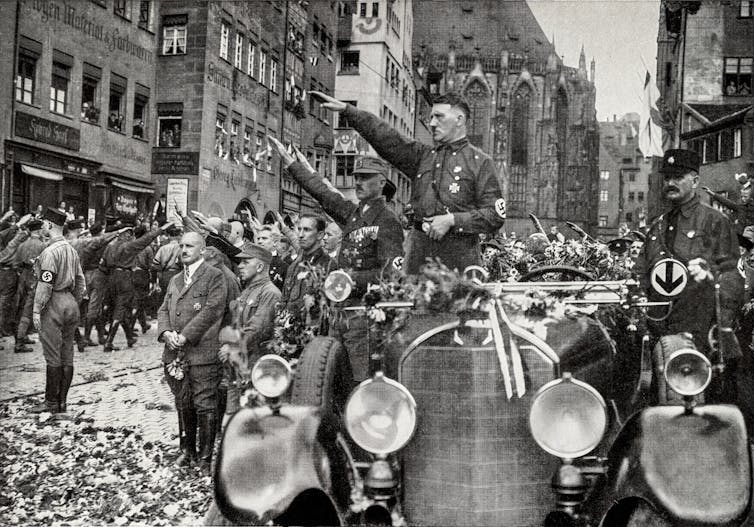
To understand this shift, you need to look back at how British society has dealt with racism since World War II. After the horrors of Nazi ideology, racial superiority lost scientific and political legitimacy. Institutions like UNESCO actively worked to dismantle “scientific racism,” and for decades, public figures who expressed overtly racist views faced strong backlash. However, this didn’t eliminate racism—it only pushed it into subtler forms, particularly in critiques of cultural difference under the guise of national identity and immigration control.
In the post-war years, politicians like Enoch Powell and Margaret Thatcher used coded language emphasizing cultural differences rather than biological race. While distancing themselves from accusations of racism, their rhetoric framed immigrants as cultural outsiders who couldn’t assimilate. This form of “cultural racism” gained traction, with politicians insisting their concerns were about integration, not race—a line that continues in modern political dialogue.
Now, you’re seeing a normalization of this type of language. Politicians and commentators often use terms like “flood,” “invasion,” or refer to migrants as culturally “inferior,” allowing racist sentiment to quietly re-enter mainstream conversation. Although anti-racist movements still challenge these views, the social consequences for publicly expressing such rhetoric have weakened compared to the past, letting divisive ideas grow in political and digital spaces.
To address racism effectively, you need to broaden your understanding beyond overt individual acts. Modern racism often hides in policies, language, and structural inequalities. Cultural discrimination—though less visible—can have just as harmful an impact as traditional prejudices. True progress requires recognizing and dismantling both the obvious and hidden forms of racism that affect everyday life in Britain.