
Opinion
Why UK government advisers rejected prostate cancer screening—and what it means for men’s health


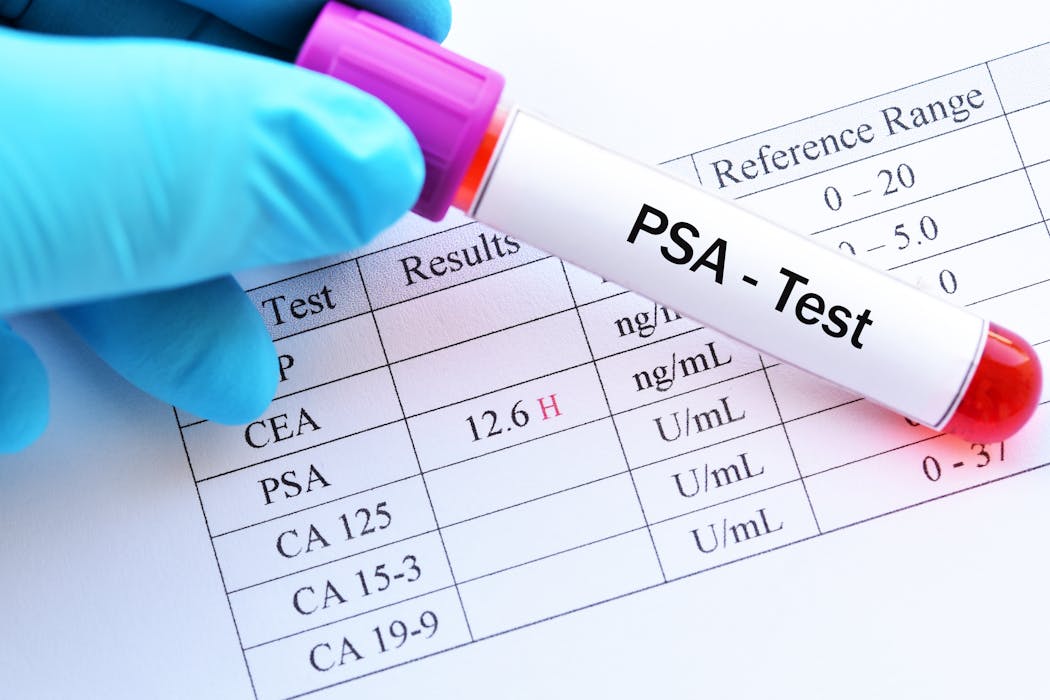
A group of high-profile supporters, including athletes, actors, former UK prime ministers, and more than 100 MPs, have joined patient groups in pushing for a national prostate cancer screening programme. But despite this pressure, the UK National Screening Committee (UKNSC) has issued a draft recommendation against introducing routine screening for all men. They’ve also rejected a separate screening plan for black men, citing uncertainties due to a lack of specific clinical trial data. Instead, the committee only recommends targeted screening every two years for men aged 45 to 61 who have confirmed BRCA1 or BRCA2 gene mutations, as they are more likely to develop fast-growing cancers at a younger age.
You might wonder why there’s such caution around screening. The UKNSC had commissioned research from the Sheffield Centre for Health and Related Research to evaluate the cost-effectiveness and impact of various screening strategies. Their findings show that screening only men with BRCA mutations was the most cost-effective, while screening the general population had the most uncertainties. A key issue is the PSA blood test used for detecting prostate cancer, which lacks precision for broad use. It often fails to distinguish between harmful and harmless conditions, leading to false positives, unnecessary biopsies, and treatments that can cause serious side effects like incontinence and sexual dysfunction. Worse, it can also miss aggressive cancers altogether.
Given these concerns, UKNSC decided that the risks linked with mass screening—such as overdiagnosis and overtreatment—currently outweigh the potential benefits. However, there’s ongoing debate. Supporters of screening point to newer data, like a recent BMJ study showing PSA screening could reduce deaths by 13%. They also highlight improvements in diagnostic tools, including MRI scans before biopsies, which help avoid invasive procedures when unnecessary. Even so, unless the health authorities change their stance, regular nationwide screening won’t be available anytime soon.
If you’re concerned, you do still have options. Men aged 50 and older in the UK can request a PSA test through their GP under the “informed choice” pathway, but you should be aware of both the potential risks and benefits. Meanwhile, this isn’t the final word. The UKNSC is gathering public input and has commissioned more research, with a final decision expected in March 2026. The Health Secretary has committed to reviewing all the evidence and viewpoints before a final decision is made. Additionally, a major new trial is underway to evaluate different screening methods, offering hope for more accurate testing in the future.